 Save
Save My neighbor showed up one summer evening with a container of this noodle salad, still cool from her morning prep, and I was hooked immediately. The way the peanut sauce clung to every strand of noodle, how the vegetables stayed crisp even hours later—it felt like a secret she'd been keeping. I've made it dozens of times since, tweaking the heat level, swapping vegetables based on what's in season, and realizing it's become my go-to when I need something that tastes way more impressive than the fifteen minutes it actually takes.
I made this for a potluck last spring and watched it disappear before anything else on the table touched, which felt like a small victory. A friend who claims she doesn't like peanut anything came back for thirds and demanded the recipe, which told me everything—sometimes the magic is just in the balance of flavors and textures, nothing complicated.
Ingredients
- Soba noodles or spaghetti: Soba has an earthy nuttiness that complements the peanut dressing beautifully, but spaghetti works just fine if that's what you have on hand.
- Sesame oil (for tossing noodles): This prevents clumping and adds a subtle toasted flavor that shouldn't be skipped.
- Red cabbage and carrots: Beyond color, these provide a satisfying crunch that holds up even if the salad sits for a bit.
- Bell pepper and cucumber: These add freshness and lightness, balancing the richness of the peanut dressing.
- Spring onions and cilantro: The onions bring sharpness, cilantro brings brightness—together they elevate everything.
- Roasted peanuts: Toast your own if possible; they'll taste fresher and more vibrant than pre-roasted.
- Creamy peanut butter: Use natural or regular, whatever you prefer, but make sure it's actually peanut butter and not the sugary stuff.
- Soy sauce: This is your umami anchor; don't skimp on the quality.
- Rice vinegar: It's milder and sweeter than regular vinegar, which is exactly what this dressing needs.
- Honey or maple syrup: A small amount rounds out the flavors without making it taste dessert-like.
- Toasted sesame oil: Different from regular sesame oil—it's darker and more aromatic, and it makes a noticeable difference.
- Fresh ginger and garlic: These shouldn't be optional; they add warmth and complexity that bottled versions can't match.
- Sriracha: Optional heat that I usually include because it brightens everything else.
- Sesame seeds for garnish: Toast them yourself right before serving for the best flavor and crunch.
Tired of Takeout? 🥡
Get 10 meals you can make faster than delivery arrives. Seriously.
One email. No spam. Unsubscribe anytime.
Instructions
- Boil and cool the noodles:
- Get your water boiling while you prep vegetables so nothing sits around waiting. Cook the noodles until just tender, drain them immediately, and run them under cold water until they're completely cool—this stops the cooking and keeps them from getting mushy.
- Make the dressing:
- Whisk everything together in a medium bowl, tasting as you go and adding water a little at a time until you get that pourable consistency. The dressing should feel lively and balanced when you taste it on a spoon.
- Prep your vegetables:
- Slice and julienne everything, keeping each vegetable separate for now so you can see the colors and control the texture. This is also where you can taste as you go—a quick bite of raw pepper or carrot tells you if they're fresh enough.
- Combine everything:
- Put the cooled noodles and all vegetables in a large bowl, pour the dressing over top, and toss with your hands or two utensils until every strand gets coated. The dressing should be distributed evenly, with no dry noodles hiding at the bottom.
- Plate and garnish:
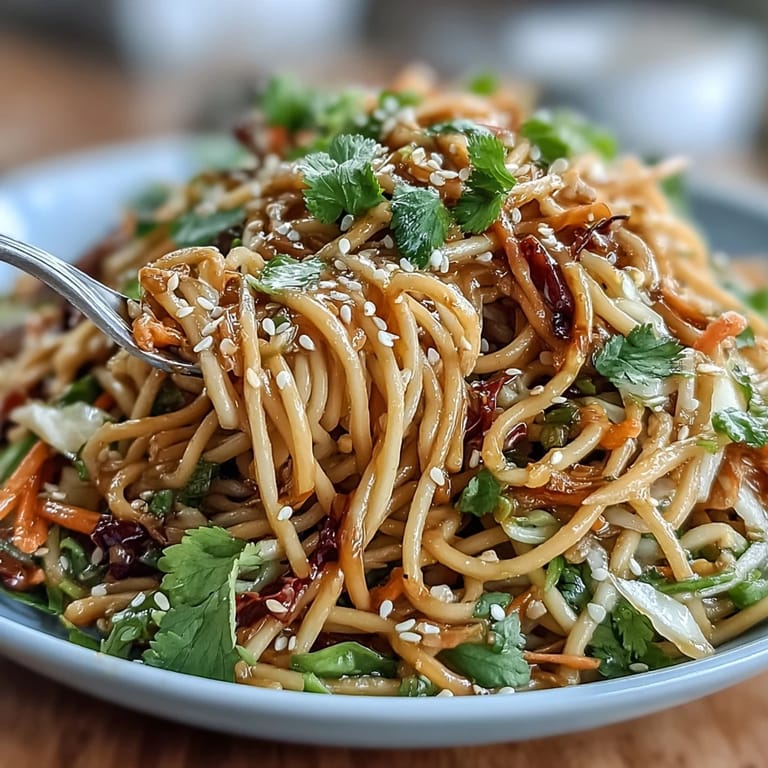
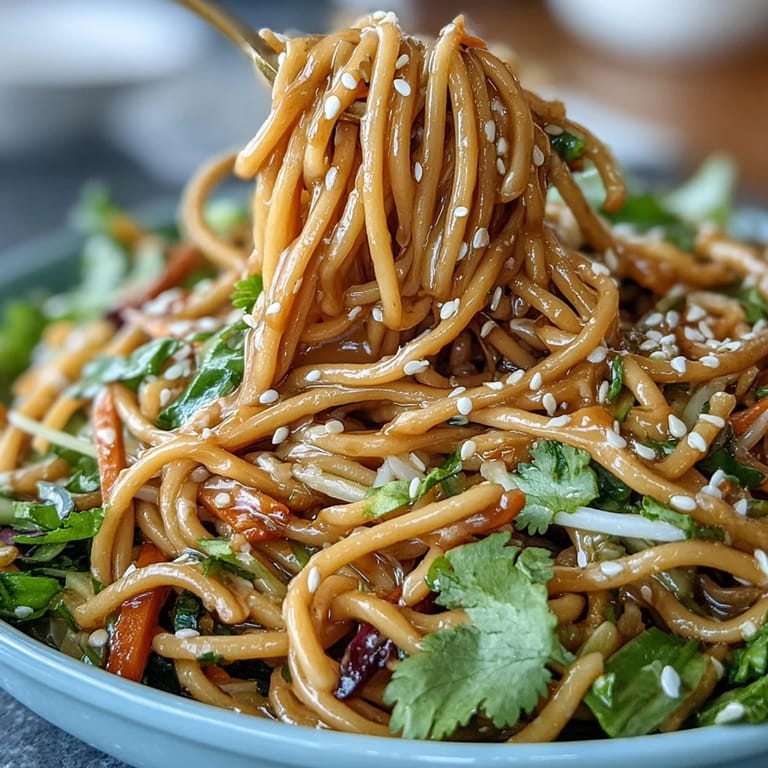
- Divide among bowls or pile onto a platter, then scatter the sesame seeds, cilantro, and peanuts on top right before serving. This keeps the garnish fresh and crunchy instead of getting soggy from the dressing.
 Save
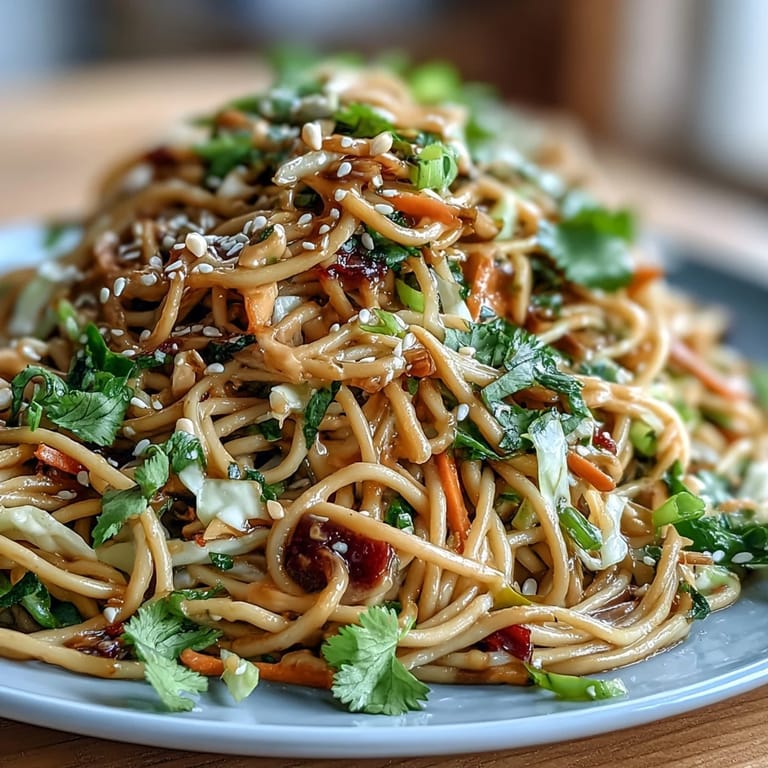
Save There's something deeply satisfying about arranging this on a plate and seeing all those colors come together—it looks restaurant-quality but tastes like home cooking. It's the kind of dish that reminds you that simple ingredients, when balanced properly, don't need anything fancy to feel special.
Making This Salad Your Own
Once you've made it once, you'll start seeing variations everywhere. Add grilled chicken for protein, swap in firm tofu if you're keeping it vegetarian, or throw in some shrimp if you're feeling it. The base is so solid that it welcomes additions without falling apart—that's the sign of a well-designed salad.
The Dressing Can Stand Alone
Seriously, make extra. I've drizzled it over roasted vegetables, used it as a dip for spring rolls, and eaten it straight from a bowl when no one was looking. It keeps in the fridge for about a week, getting slightly thicker as it sits, but still tasting incredible on everything from rice to grilled tofu to raw vegetables.
Timing and Make-Ahead Strategy
The whole salad comes together in under thirty minutes, but you can prep vegetables hours ahead and keep them in containers, then assemble everything right before eating. I often cook the noodles and make the dressing the night before, which means lunch the next day is literally five minutes of assembly.
- Cook noodles and vegetables up to 8 hours ahead; store them separately in airtight containers.
- Make the dressing up to 2 days ahead; stir it again before using since it thickens as it sits.
- Add peanuts and sesame seeds only right before serving to keep them crunchy and fresh.
 Save
Save This salad has become the dish I reach for when I want to feel both healthy and satisfied, when I'm cooking for others and want something that looks impressive, or when the weather is warm and nothing else sounds appealing. Once you taste it, it'll probably become part of your regular rotation too.
Cooking Guide
- → What type of noodles work best?
Soba noodles or spaghetti both work well, but soba provides a more authentic texture and subtle nutty flavor.
- → Can I make the dressing spicier?
Yes, adding more sriracha or chili sauce increases the heat without overpowering the peanut flavor.
- → How can I keep the noodles from sticking?
After cooking, rinse noodles with cold water and toss with a little sesame oil to prevent sticking.
- → Is this salad suitable for vegan diets?
Yes, replacing honey with maple syrup makes the dressing fully vegan-friendly.
- → How long can the salad be stored?
Keep in the fridge for up to 2 days; add peanuts and sesame seeds just before serving for best texture.