 Save
Save The first time I made satay sauce was purely by accident—I'd run out of peanut sauce at a dinner party and had nothing but peanut butter, a can of coconut milk, and some half-used spice jars in my cabinet. What emerged from that improvisation was something so much better than what I'd planned: silky, aromatic, and unexpectedly complex. Now whenever I smell that warm blend of toasted spices hitting hot coconut cream, I'm transported back to that frantic evening, the relieved laughter when guests tasted it, and the realization that the best dishes sometimes find you when you're not looking.
I remember making this sauce for a small backyard gathering on a humid August evening when my neighbor brought over fresh limes from her tree and someone casually mentioned they'd never had satay before. By the time the grilled chicken came off the heat, I had three people crowded around the saucepan, watching the coconut milk transform into something that smelled like a Southeast Asian market. It became clear that night that a good sauce doesn't just coat food—it brings people into the kitchen.
Ingredients
- Creamy peanut butter: Use unsweetened and unsalted so you control the salt and sugar; the natural oils are what make this sauce silky, not chunky.
- Full-fat coconut milk: Never use the light version—the creaminess is non-negotiable, and shaking it well before opening prevents separated liquid from watering down your sauce.
- Soy sauce: This brings umami depth; if you're avoiding gluten, tamari works seamlessly without changing the flavor.
- Fresh lime juice: Bottled juice loses its brightness fast, so squeeze it yourself right before cooking if you can.
- Brown sugar or palm sugar: Palm sugar gives a more authentic caramel note, but brown sugar is what most of us have on hand and works beautifully.
- Garlic, coriander, cumin, and chili flakes: These warm spices are what make the sauce aromatic rather than flat; toasting them lightly in the pan as the coconut milk heats unlocks their best flavors.
- Fish sauce (optional): Just a teaspoon transforms the sauce into something more restaurant-quality, but it's easy to skip for vegetarians.
Tired of Takeout? 🥡
Get 10 meals you can make faster than delivery arrives. Seriously.
One email. No spam. Unsubscribe anytime.
Instructions
- Whisk the foundation:
- Pour the peanut butter and coconut milk into a small saucepan and whisk over medium heat until completely smooth—don't let any peanut butter clumps hide at the bottom. This takes about a minute of steady whisking, and it's worth doing carefully because lumps won't dissolve later.
- Build the flavor:
- Add the soy sauce, lime juice, brown sugar, minced garlic, and all the dry spices at once. Stir everything together for a full minute, making sure the sugar dissolves and the spices are evenly distributed throughout the cream.
- Let it sing:
- Bring the mixture to a gentle simmer, stirring frequently so nothing sticks to the bottom. You'll see it start to thicken and develop a subtle shine—this is the moment you know it's working, usually after 3–5 minutes.
- Taste and adjust:
- This is your chance to make it yours: more lime if it needs brightness, a pinch more sugar if the spices feel too forward, another shake of chili if you want heat. Trust your palate here.
- Thin if needed:
- If the sauce is thicker than you'd like, whisk in water a tablespoon at a time until it reaches the consistency you want—remembering that it will thicken slightly as it cools.
- Final touches:
- Remove from heat and stir in the fish sauce if you're using it. Let it cool for a few minutes before serving so it's warm but not mouth-burning hot.
 Save
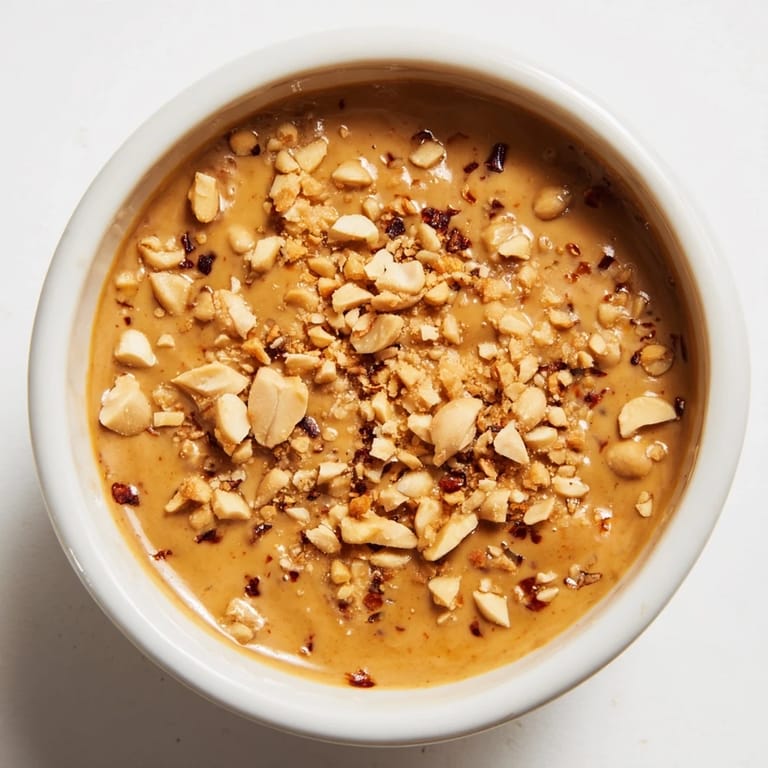
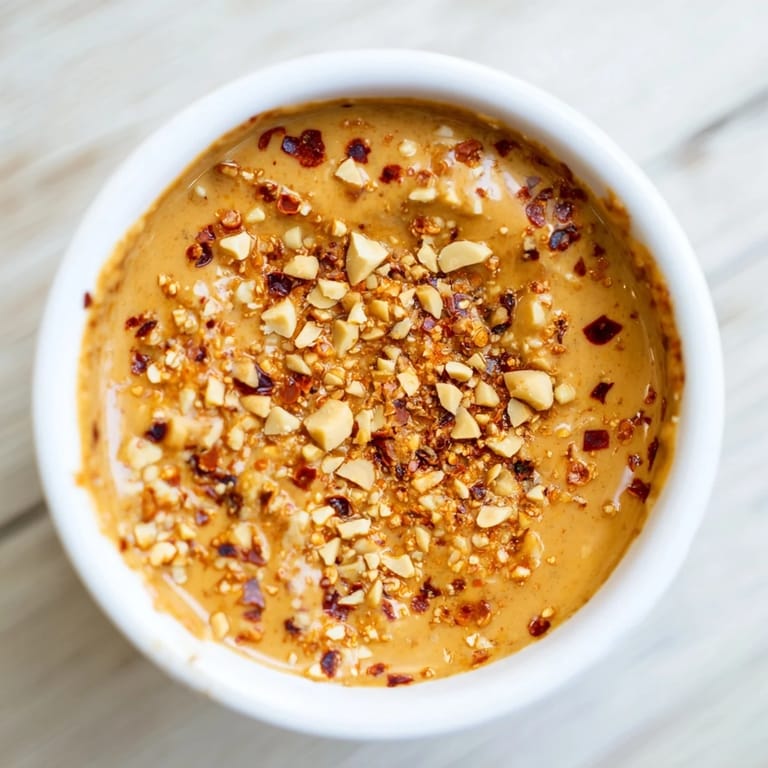
Save There's a moment, right around that gentle simmer, when the kitchen fills with such a distinctive smell—toasted spices meeting warm coconut and roasted peanuts—that everyone stops and notices. That's when satay sauce stops being an ingredient and becomes the star, the thing people will remember about the meal more than the protein it's supposed to accompany.
Consistency Matters
The texture of satay sauce sits in that sweet spot between dip and drizzle, and getting there is more art than science. Some nights I make it for skewers, where it should cling to each piece, so I keep it thicker. Other times I'm drizzling it over a salad, and then I thin it until it pours like warm honey. The water addition at the end gives you complete control, and I always add it slowly because it's easier to thin than to thicken.
Storage and Reheating
Satay sauce keeps for up to five days in the refrigerator, but the spices mellow slightly and the sauce thickens as it sits. When you're ready to use it again, gently warm it in a saucepan over low heat, whisking occasionally and adding a splash of water if it's become too thick. Don't microwave it if you can help it—the gentle, direct heat keeps the flavors brighter and the texture smoother.
Variations and Pairings
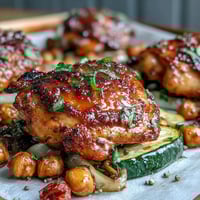
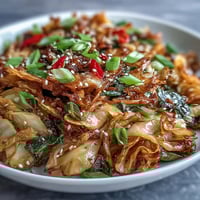
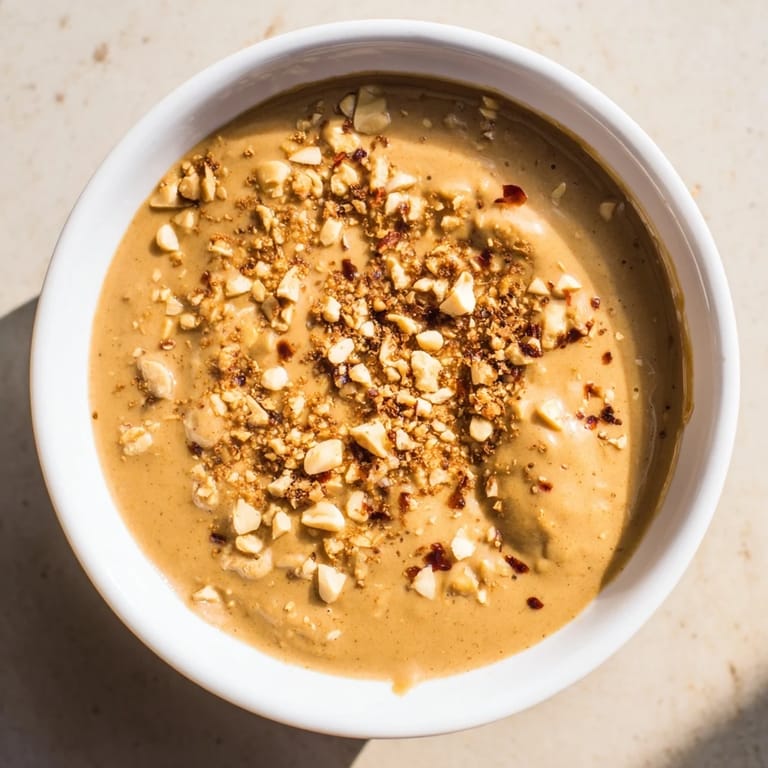
This sauce is endlessly versatile, and I've learned to see it not as a satay-only topping but as a blank canvas for the flavors I'm craving that day. Stir in crushed roasted peanuts for texture, add a splash more fish sauce for deeper umami, or thin it and use it as a salad dressing that transforms simple greens into something memorable. It pairs just as beautifully with grilled tofu and charred vegetables as it does with chicken or beef, which is why it's become a weeknight staple in my kitchen.
- Add two tablespoons of crushed roasted peanuts at the end for a crunchy texture that catches in your teeth.
- Stir in fresh cilantro or mint right before serving for brightness that feels like a new dish.
- Keep a batch in the fridge to drizzle over roasted sweet potatoes, rice bowls, or even grilled fish when you need dinner in minutes.
 Save
Save This sauce has a way of making ordinary grilled things extraordinary, and more importantly, it brings people together around something warm and aromatic and good. Once you make it once, you'll find yourself reaching for it again and again.