 Save
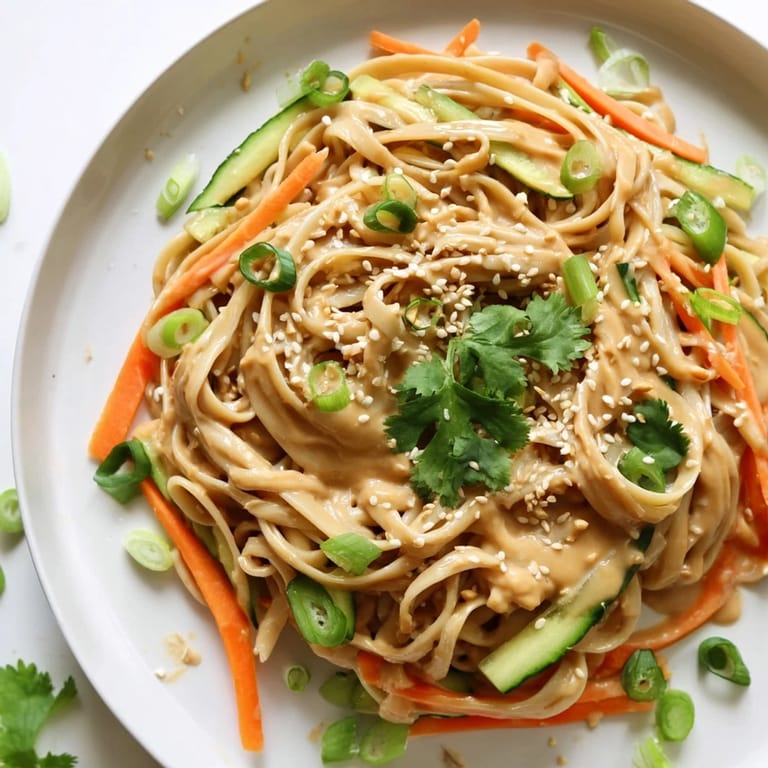
Save There's a particular kind of relief that comes from opening the fridge on a sweltering afternoon and pulling out a bowl of cold sesame noodles—the kind that makes you feel like you've solved something important. I discovered these during a summer when my air conditioning had given up and cooking felt like an act of defiance. Instead, I learned that the best meals don't require heat at all, just good technique and a sauce so rich it doesn't need anything else to shine.
I once brought a batch to a neighborhood potluck where everyone was carrying heavy casseroles, and someone actually set their hot dish down to grab noodles first. That's when I knew the recipe had something special—it wasn't fancy, but it felt like a small gift on a hot day.
Ingredients
- Wheat noodles or spaghetti (350g): Any sturdy noodle works here; I've used linguine in a pinch, and the texture holds just as well when cooled.
- Sesame oil (1 tbsp for noodles, plus 1 tbsp toasted for sauce): This is non-negotiable—it's what prevents the noodles from clumping and adds that unmistakable nutty depth.
- Tahini or sesame paste (4 tbsp): The backbone of the sauce; tahini is smoother, but Chinese sesame paste gives a slightly deeper flavor if you find it.
- Peanut butter (2 tbsp): This sounds strange in a sesame sauce, but it adds richness and keeps the sauce from tasting one-note.
- Soy sauce (3 tbsp low-sodium): Use low-sodium to control the saltiness; you can always add more, but you can't take it back.
- Rice vinegar (2 tbsp): The acid that brightens everything; it's gentler than white vinegar and won't overpower the sesame.
- Honey or maple syrup (1 tbsp): A tiny bit of sweetness balances the sesame and soy without making this dessert.
- Garlic (2 cloves, finely grated): Grated instead of minced gives a smoother integration into the sauce—no harsh chunks.
- Fresh ginger (1 tbsp, grated): Adds warmth and liveliness; use a microplane if you have one for the finest texture.
- Chili oil (1–2 tsp, optional): This is where you control the heat; I use it sparingly unless I'm feeding people who love spice.
- Cold water (3–5 tbsp): Start with less and add gradually—the sauce thickens as it sits, so what seems thin now will be perfect tomorrow.
- Cucumber (1 medium, julienned): The cooling crunch that makes every bite feel refreshing; cut just before serving to keep it crisp.
- Carrots (2 medium, julienned): A touch of natural sweetness and color; I use a vegetable peeler to create thin ribbons if I don't have a julienne knife.
- Spring onions (2, thinly sliced): The fresh allium note that keeps this from feeling heavy.
- Toasted sesame seeds (2 tbsp): Toast them yourself if possible; pre-toasted tastes fresher, and you'll smell the difference.
- Fresh cilantro (1 handful, chopped): Herbaceous and bright—this is the final note that makes it feel alive on the palate.
- Roasted peanuts (optional, crushed): Extra texture and protein; I keep these on the side so people can control how much they add.
- Lime wedges (optional): A squeeze at the end lifts everything; serve on the side and let people decide.
Tired of Takeout? 🥡
Get 10 meals you can make faster than delivery arrives. Seriously.
One email. No spam. Unsubscribe anytime.
Instructions
- Boil and cool the noodles:
- Cook them according to the package, then drain and run under cold water until they're completely cool to the touch. This stops the cooking and gives you that tender-but-not-mushy texture. Toss with sesame oil immediately so they don't clump together as they cool.
- Build the sauce:
- Whisk tahini, peanut butter, soy sauce, rice vinegar, honey, toasted sesame oil, garlic, and ginger in a bowl until combined. If it looks too thick, add cold water one tablespoon at a time while whisking—you want it pourable but still luxuriously thick. Taste and adjust the salt or heat with chili oil.
- Combine noodles and sauce:
- Pour the sauce over the cooled noodles and toss thoroughly, making sure every strand gets coated. This is easier with your hands if you don't mind getting them slightly messy.
- Assemble the bowl:
- Divide noodles among serving bowls, then arrange the fresh vegetables and cilantro on top. Sprinkle with sesame seeds and peanuts, then serve with lime wedges alongside.
- Chill or serve:
- You can eat this immediately, but 10–15 minutes in the fridge lets the flavors settle and become more cohesive. I prefer it this way, but hungry friends have never complained about room-temperature version either.
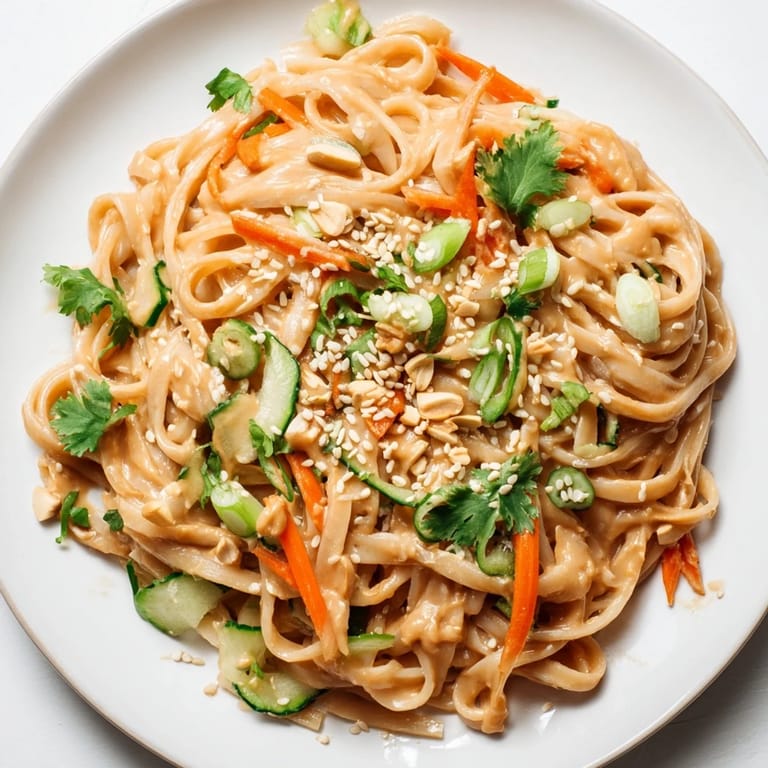 Save
Save There was an evening when I made this for someone who had just moved into a tiny apartment with no furniture except a mattress and a single chair. We sat on the kitchen floor eating directly from the pot, and they said it was the first time they'd felt at home in the new place. That's when I realized these noodles aren't really about the sesame or the vegetables—they're about comfort in the simplest form.
The Sauce Philosophy
The magic here is the balance between nutty, salty, sour, and sweet—no single flavor should dominate. Tahini and sesame oil provide earthiness, soy sauce brings salt and umami, rice vinegar adds brightness, and honey rounds out the edges. If something tastes off, it's usually because one element is too loud. I learned this by making the sauce with vinegar and no honey, and it tasted harsh and unfinished. A tiny bit of sweetness—just enough that you can't identify it as honey—is what makes this taste whole.
Make-Ahead Mastery
This dish actually improves when made a day ahead because the noodles fully absorb the sauce flavors, turning something good into something exceptional. I've also realized that the vegetables hold their crunch longer if you keep them separate until serving, which means you can prep everything Sunday and eat all week without the cucumber turning mushy by Wednesday. The sauce keeps for a week in a sealed jar, and the noodles themselves stay fresh for three days covered in the fridge.
Flavor Variations and Protein Additions
While this recipe is vegetarian as written, it's also a blank canvas for whatever protein you have on hand. Shredded rotisserie chicken adds heartiness without extra cooking time, tofu absorbs the sauce beautifully if you pan-fry it until the edges are crispy, and chilled shrimp brings a delicate sweetness. I've even added edamame for texture and extra protein, or a soft-boiled egg on top if I'm feeling indulgent. The sauce never judges—it works with anything.
- Chill your serving bowls for five minutes before plating if you want the noodles to stay cold longer.
- If the sauce breaks or looks grainy, blend it for 30 seconds with an immersion blender and it'll smooth right back out.
- Keep lime wedges at the table so everyone can add as much brightness as they want—some people love the sharp contrast, others prefer the noodles mild.
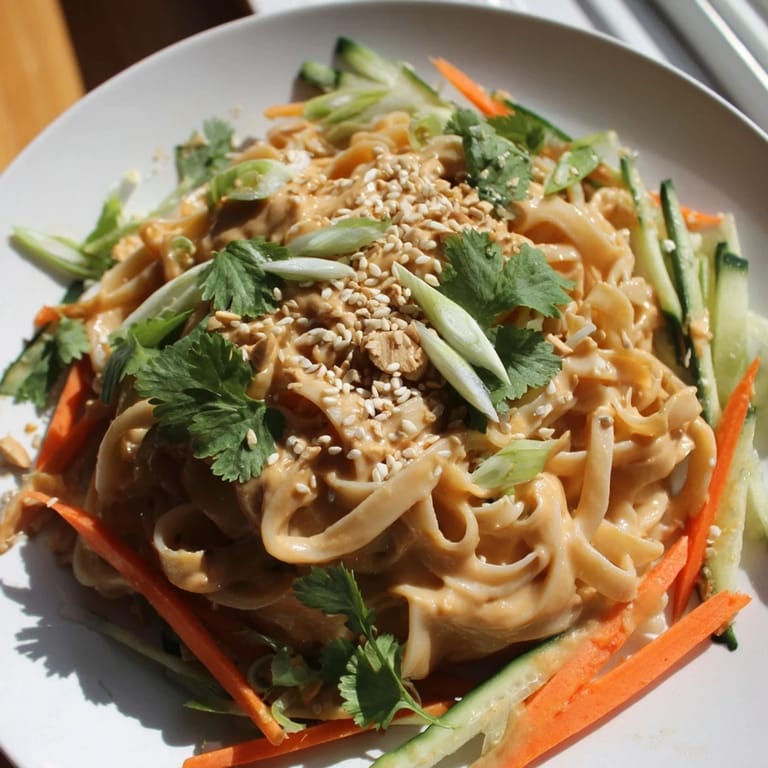 Save
Save This recipe has quietly become one I turn to when I want to feel like I've cooked something worth eating without spending hours in a hot kitchen. That's the real gift here.
Cooking Guide
- → What type of noodles work best for this dish?
Wheat noodles or spaghetti are ideal, but gluten-free alternatives can be used for dietary needs.
- → Can I adjust the spiciness of the dish?
Yes, adding or omitting chili oil lets you tailor the heat to your preference.
- → How can I make the sauce creamier or thinner?
Gradually adding cold water adjusts the sauce consistency for a smoother or lighter texture.
- → Are there protein additions that complement the flavors?
Shredded chicken, tofu, or shrimp can enhance protein content while blending well with the sesame sauce.
- → What are good beverage pairings?
Chilled white wine or iced green tea complement the fresh, savory flavors nicely.