 Save
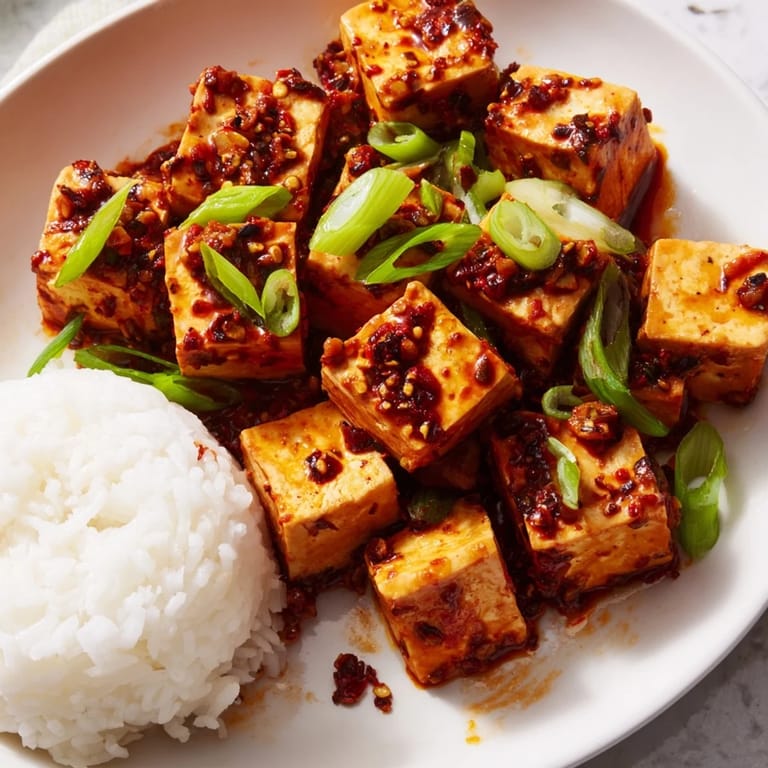
Save My first proper wok sat unused for three months until my neighbor walked in one evening and mentioned she'd never had real mapo tofu. I'd grown up with it on family tables, barely paying attention, but that comment sparked something. Within an hour, I'd pulled out the wok, toasted my peppercorns until the kitchen smelled like the Sichuan markets I'd only read about, and made it from memory. The silky tofu trembling in that crimson sauce, the way it numbed and burned at once on the tongue—suddenly I understood why this dish had lived in my family's rotation for generations.
I made this for a friend who'd just broken her leg and was stuck on the couch—she said it was the first thing in days that made her forget to check her phone. There's something about a bowl of mapo tofu that requires your full attention, demands you engage with the heat and flavor, pulls you into the present moment.
Ingredients
- Silken or soft tofu (400 g): This melts on your tongue and cradles the sauce like nothing else, though if your tofu comes in water, drain it thoroughly or it'll dilute everything you're building.
- Ground pork or beef (150 g, optional): Adds richness and texture, but honestly, the vegetarian version with just doubanjiang is just as complete and honest.
- Sichuan doubanjiang (2 tbsp): The soul of this dish—fermented, funky, umami-packed; buy the real stuff or the whole balance collapses.
- Soy sauce (1 tbsp): Use low-sodium if you can; the doubanjiang brings its own salt and you want control.
- Shaoxing wine (1 tbsp): If you can't find it, dry sherry works, but the warmth and complexity won't be quite the same.
- Sugar (1 tsp): Just enough to round the edges of the heat, not to sweeten.
- Chicken or vegetable broth (1/2 cup): Low-sodium gives you room to adjust flavor as you go.
- Cornstarch slurry (1 tbsp cornstarch mixed with 2 tbsp water): Creates a silky coating that clings to the tofu instead of pooling at the bottom.
- Sichuan peppercorns (1 tbsp, toasted and ground): Toast them yourself—the difference between buying pre-ground is like the difference between fresh and stale bread.
- Vegetable oil (3 tbsp): A neutral oil that lets the other flavors shine; this isn't the place for extra virgin olive.
- Garlic and ginger (3 cloves and 2 tsp, minced): These two together form the aromatic foundation, the first thing that tells your nose something delicious is happening.
- Scallions (2, white and green parts separated): The whites go in early for depth, the greens finish the dish for brightness and color.
- Dried red chilies (1–2, chopped, optional): Adds a more aggressive heat; use them if you like building layers of spice or skip them if the doubanjiang is already enough.
Tired of Takeout? 🥡
Get 10 meals you can make faster than delivery arrives. Seriously.
One email. No spam. Unsubscribe anytime.
Instructions
- Set your stage:
- Drain your tofu and cut it into gentle cubes—not too small or they'll disintegrate, not too large or they won't soak up enough sauce. Mince your garlic and ginger until they're fragrant in your hands, separate your scallion whites from the greens, and mix your cornstarch with water so it's ready to go when you need it.
- Toast the peppercorns:
- Heat your wok or skillet over medium heat and add the Sichuan peppercorns dry. Watch them carefully—after about a minute they'll release a woody, almost citrusy aroma that's distinctly different from black pepper. Grind them in a mortar and pestle and set aside.
- Build the aromatics:
- Add your oil and let it warm for just a few seconds, then add the scallion whites, garlic, and ginger all at once. The sizzle tells you you're on the right track; keep stirring for about a minute until the air around your stove is completely transformed into something spicy and alive.
- Cook the meat (if using):
- Push the aromatics to the side, add your ground pork or beef, and let it hit the hot pan without stirring for thirty seconds. Then break it apart with your spoon and cook until there's no more pink, about three to four minutes total.
- Introduce the doubanjiang:
- Add your chili bean paste and any dried chilies you're using, and stir everything together. Within a minute the oil will turn a gorgeous deep red and you'll smell that fermented, almost sweet-spicy fragrance that means you're getting close to something special.
- Bring it together:
- Pour in your wine, soy sauce, sugar, and broth. Let it come to a gentle simmer, tasting as you go—at this point you can adjust salt or heat before the tofu goes in.
- Welcome the tofu:
- Slide your tofu cubes into the simmering sauce as gently as you'd lower something precious into water. Let them sit for five minutes, then very gently spoon sauce over the top, remembering that these cubes are fragile and you're trying to cook them through, not break them into soup.
- Thicken and finish:
- Give your cornstarch slurry one last stir—it settles quickly—and drizzle it slowly into the pan while gently stirring. The sauce will go from loose to glossy and clinging within about a minute. Sprinkle your ground peppercorns and half your scallion greens over everything.
- Serve right now:
- This dish is best the moment it hits the bowl, steaming and alive. Pour it over jasmine rice, add more scallions, and drizzle with chili oil if that's the direction you want to take it.
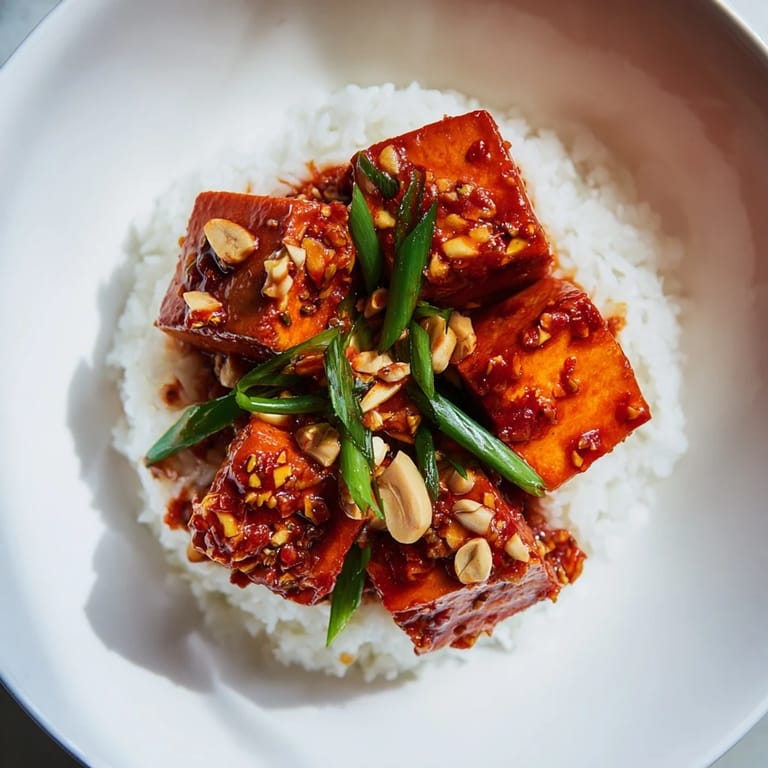 Save
Save I once made this for a date who'd grown up in Chengdu, and I was terrified he'd take one bite and smile politely while thinking of his mother's version. Instead, he asked for seconds and said it reminded him of eating in a tiny restaurant near his school. That's when I realized mapo tofu stopped being about impressing someone and became about opening a door to somewhere else.
The Sichuan Peppercorn Moment
Most people expect chili heat from this dish, but the real revelation is the Sichuan peppercorn—it's not heat at all, it's a tingling, almost electric sensation that makes your mouth feel alive. The first time you taste that numbing (what the Chinese call 'má') layered against the spicy (là) from the chilies, something clicks. You're not just eating food anymore; you're experiencing a flavor philosophy that's hundreds of years old. Toasting your own peppercorns instead of using pre-ground ones is non-negotiable if you want this sensation at its strongest.
Why This Dish Becomes a Regular
Mapo tofu lives in the sweet spot of weeknight cooking where effort and impact don't match—you spend maybe thirty minutes total, but the flavors taste like you've been simmering things for hours. Once you've made it twice, you stop consulting the recipe, and by the fourth time, you're adjusting salt and heat by instinct, by smell, by how the sauce looks when it coats your spoon. It becomes the kind of dish you make when you want to feel competent in the kitchen without stress, when you want something that tastes like a restaurant meal at home.
Scaling and Storage
This recipe halves beautifully if you're just cooking for two, and it doubles without any real trouble if you're feeding a crowd—just make sure your wok or skillet is large enough that you're simmering, not steaming. The sauce thickens as it sits, which means leftovers (if there are any) actually taste better the next day after everything has had time to get acquainted, though reheating does require a splash of broth to loosen things back up.
- Cold mapo tofu makes an unexpectedly good rice bowl lunch, though purists will say it's meant to be steaming hot right now.
- Store any leftovers in an airtight container for up to three days, and don't throw away that sauce—it's liquid gold for stirring into noodles or drizzling over vegetables.
- The dish tastes different (not worse, just different) if you use firm tofu instead of silken, so if you go that route, own that choice rather than wishing for something else.
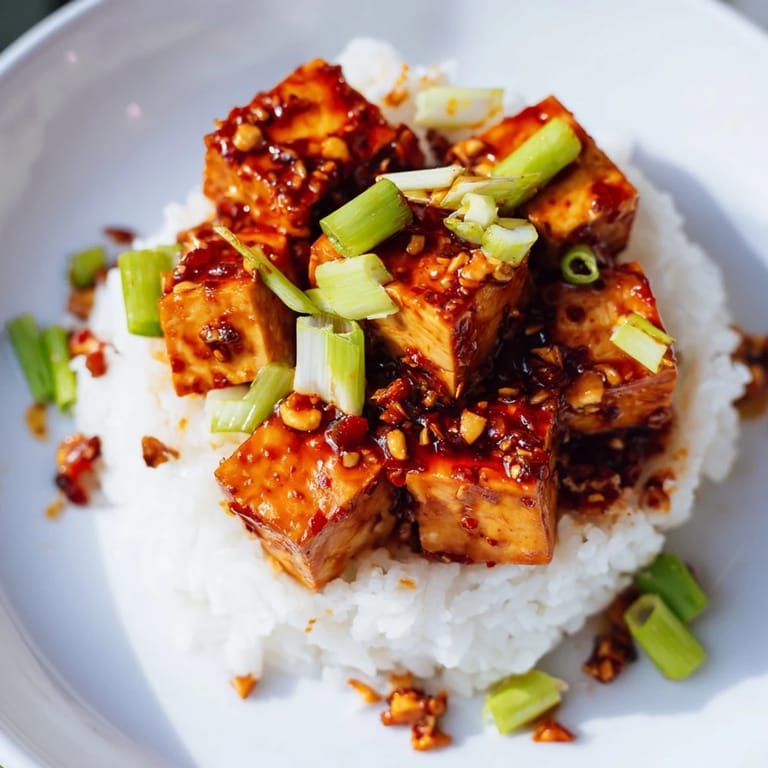 Save
Save Every time I make this, I understand a little more why it's been cooked the same way for so long—because some things don't need fixing, they just need respecting. Serve it hot, eat it right away, and let the heat and numbing spice do what they do best.
Cooking Guide
- → What type of tofu works best for this dish?
Silken or soft tofu is preferred for its delicate texture that absorbs flavors well, though firm tofu can be used for a sturdier bite.
- → How do Sichuan peppercorns affect the flavor?
They add a distinct numbing, citrusy aroma that balances the chili heat and deepens the overall taste.
- → Can this dish be made vegetarian?
Yes, simply omit the meat and use vegetarian chili bean paste along with vegetable broth instead of chicken broth.
- → What is the role of the cornstarch slurry?
It thickens the sauce to create a glossy coating that clings nicely to the tofu cubes.
- → How spicy is this dish typically?
It features moderate to intense heat, which can be adjusted by controlling the amount of chili bean paste and dried chilies used.
- → What rice pairs well with this dish?
Steamed jasmine rice is ideal as it has a fragrant aroma and a light texture that complements the bold sauce.