 Save
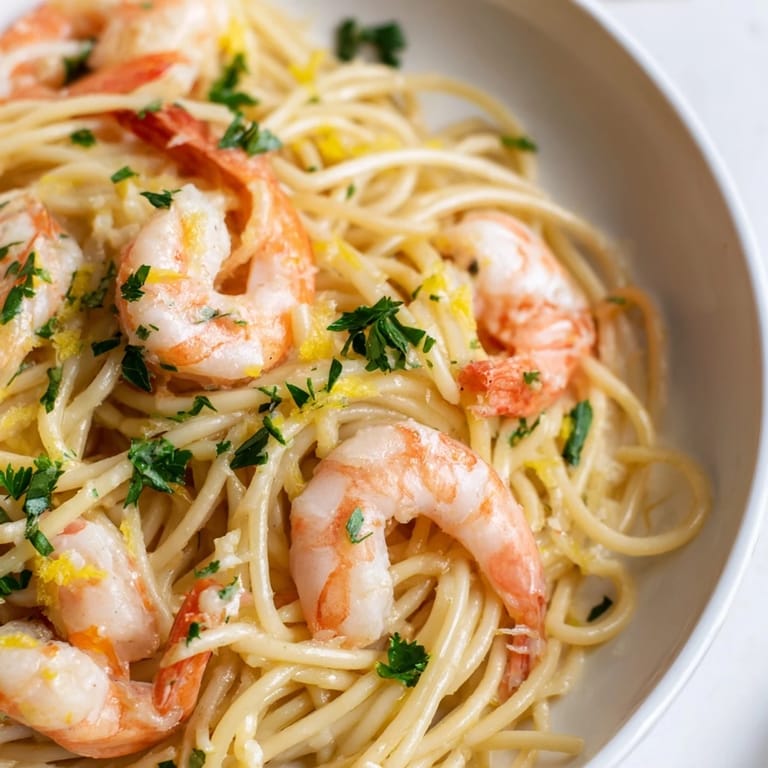
Save A Tuesday night after work, I stood at the stove with a pound of shrimp and no plan beyond hunger. The lemon on my counter was starting to wrinkle, the garlic was already minced from another meal, and somewhere in the back of my mind I knew pasta could save anything. What came together in under half an hour turned into the recipe I make when I need something that tastes like effort but feels like ease. That first bite, tangy and buttery with shrimp that snapped under my teeth, made me realize simplicity doesn't need an occasion.
I made this for my sister the night she came over unannounced, tired from a long drive. She sat at my kitchen counter, half asleep, while I tossed the spaghetti with shrimp still sizzling in butter. The smell of garlic and lemon filled the apartment, and by the time I set the bowl in front of her, she was awake again. She twirled the pasta quietly, took a bite, and said nothing for a full minute, which is the highest compliment she gives. We finished the whole batch between us, scraping the bowl with bread I didn't even know I had.
Ingredients
- Large shrimp, peeled and deveined: The star of the dish, shrimp cook in minutes and soak up every bit of that lemony butter, just make sure they're dry before they hit the pan or they'll steam instead of sear.
- Spaghetti: Long noodles catch the sauce beautifully, and cooking them just to al dente means they'll finish perfectly when tossed in the skillet.
- Unsalted butter: It adds richness and a silky mouthfeel that olive oil alone can't achieve, plus you control the salt level.
- Extra-virgin olive oil: Helps the butter not burn and brings a fruity depth that complements the lemon.
- Garlic cloves, minced: Fresh garlic is non-negotiable here, it blooms in the fat and becomes sweet and fragrant, not sharp.
- Lemon zest and juice: Zest gives you the floral oils, juice gives you the tang, together they're the backbone of the sauce.
- Dry white wine: Optional but worth it, it deglazes the pan and adds a subtle acidity that rounds out the lemon.
- Crushed red pepper flakes: Just a pinch brings warmth without heat, a gentle hum in the background.
- Salt and black pepper: Season at every stage, shrimp, sauce, and final toss, it's how layers of flavor build.
- Fresh parsley: Chopped at the last second, it adds color and a fresh herbal note that brightens every bite.
- Parmesan cheese: Not traditional with seafood in Italy, but a light sprinkle adds a nutty saltiness I can't resist.
- Lemon wedges: For serving, because there's no such thing as too much lemon when the mood is right.
Tired of Takeout? 🥡
Get 10 meals you can make faster than delivery arrives. Seriously.
One email. No spam. Unsubscribe anytime.
Instructions
- Boil the pasta:
- Bring a large pot of well-salted water to a rolling boil and cook the spaghetti until it still has a slight bite in the center. Before draining, scoop out half a cup of that starchy pasta water, it's liquid gold for bringing the sauce together.
- Prep the shrimp:
- While the pasta bubbles away, pat the shrimp completely dry with paper towels and season them lightly with salt and pepper. Dry shrimp sear beautifully, wet shrimp steam and turn rubbery.
- Sear the shrimp:
- Heat a large skillet over medium-high with a tablespoon each of olive oil and butter, then lay the shrimp in a single layer without crowding. Let them cook untouched for a minute or two per side until they curl and turn pink, then transfer them to a plate.
- Build the sauce base:
- Lower the heat to medium and add the remaining oil and butter to the same skillet, letting all those shrimpy bits on the bottom become part of the sauce. Toss in the minced garlic and stir constantly for about a minute until it smells like heaven but hasn't browned.
- Add the brightness:
- Stir in the lemon zest, lemon juice, white wine if you're using it, and a pinch of red pepper flakes. Let it simmer and reduce for a couple of minutes, the wine will mellow and the lemon will concentrate into something almost sweet.
- Reunite the shrimp:
- Slide the cooked shrimp back into the skillet along with any juices that collected on the plate. Toss them gently in the sauce so every piece gets coated.
- Toss with pasta:
- Add the drained spaghetti directly to the skillet and toss everything together with tongs, adding splashes of reserved pasta water until the sauce clings to the noodles like silk. The starch in that water is what makes it all come together instead of splitting.
- Taste and adjust:
- Season with more salt and black pepper as needed, tasting as you go because shrimp and pasta water both bring their own saltiness.
- Garnish and serve:
- Pull the skillet off the heat, shower the pasta with chopped parsley and a bit of grated Parmesan if you like. Serve immediately with lemon wedges on the side for anyone who wants an extra squeeze.
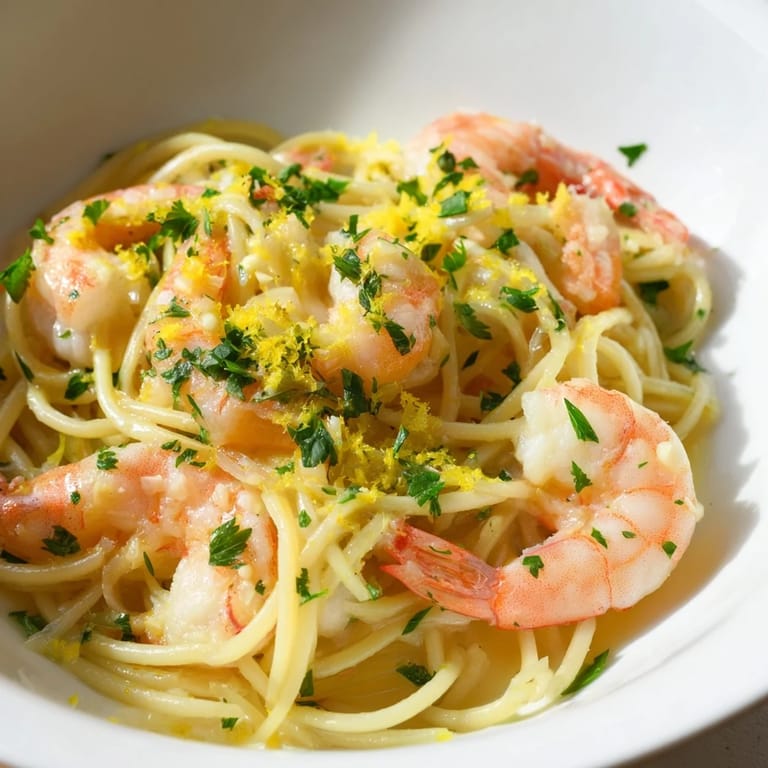 Save
Save One summer evening, I made this on the deck with a friend who claimed she didn't like shrimp. She ate two bowls and asked for the recipe on a napkin, which I still see posted on her fridge every time I visit. There's something about the way the lemon cuts through the richness, the way the garlic lingers just enough, that turns skeptics into believers. It became our unofficial girls' night dinner, the one we'd make while catching up over wine, laughing too loud, and forgetting to set the table. Food that tastes this good doesn't need formality, it just needs people willing to twirl pasta and talk until the stars come out.
How to Pick and Prep Your Shrimp
I used to buy whatever shrimp was on sale until I learned that size and freshness actually matter for a dish this simple. Look for shrimp labeled 16 to 20 count per pound, they're big enough to stay juicy and have presence on the plate. If you can find them already peeled and deveined, it saves time, but if not, it only takes a few minutes with a paring knife and running water. Fresh shrimp should smell like the ocean, clean and briny, never fishy or like ammonia. Pat them dry before cooking, moisture is the enemy of a good sear, and a good sear is what gives you that sweet caramelized edge.
Wine Pairing and Substitutions
The dry white wine in the sauce is there to add acidity and depth, but it's not mandatory if you don't keep wine around. I've swapped it for chicken broth with a squeeze of extra lemon, and the dish still sings. If you do use wine, something crisp like Sauvignon Blanc or Pinot Grigio works beautifully, and you can pour yourself a glass of the same bottle to sip while you cook. The key is to let it simmer long enough that the alcohol cooks off and the flavors mellow, which only takes a couple of minutes. Don't use anything you wouldn't drink, cooking wine from a box will make your sauce taste flat and metallic.
Make It Your Own
This recipe is a canvas, and I've painted it a dozen different ways depending on what's in the crisper. Sometimes I toss in halved cherry tomatoes that burst into sweet pockets of juice, or a handful of baby spinach that wilts into the sauce at the last second. If you like heat, double the red pepper flakes or add a fresh chopped chili. For a creamier version, I've stirred in a few spoonfuls of mascarpone or cream cheese, which turns it into something almost decadent. The bones of this dish are strong enough to handle your creativity, so don't be afraid to riff.
- Try adding capers or olives for a briny punch that plays beautifully with the lemon.
- Swap spaghetti for linguine, angel hair, or even gluten-free pasta without changing a thing.
- Finish with a drizzle of good olive oil and flaky sea salt for a touch of luxury.
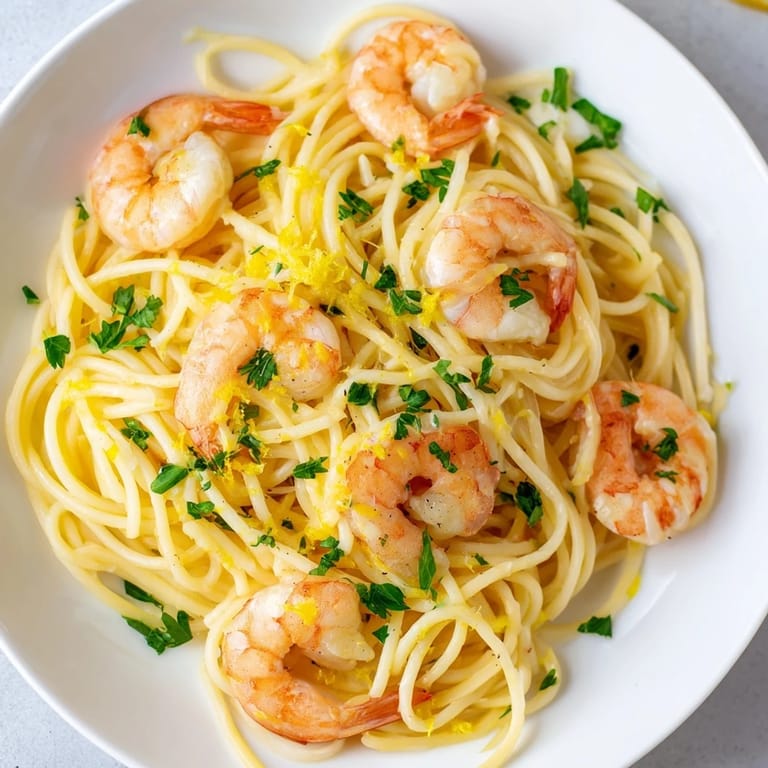 Save
Save This is the kind of meal that reminds me why I love cooking, fast, forgiving, and full of flavor that feels like a small celebration. I hope it becomes one of those recipes you reach for on busy nights, lazy weekends, or whenever you need something that tastes like sunshine in a bowl.
Cooking Guide
- → Can I use frozen shrimp instead of fresh?
Yes, frozen shrimp works perfectly. Thaw them completely and pat dry before cooking to ensure they sear properly and develop a golden exterior. Dry shrimp prevents moisture from interfering with the searing process.
- → What should I do if I don't have white wine?
White wine is optional and can be replaced with chicken broth, vegetable broth, or simply omitted. The lemon juice provides plenty of acidity and brightness. If substituting, use the same amount of broth as you would wine.
- → How do I prevent the shrimp from becoming rubbery?
Cook shrimp only 1–2 minutes per side until they turn pink and opaque. Overcooked shrimp becomes tough and loses its tender texture. Remove them from heat as soon as they change color, then return them to the pan briefly at the end to reheat.
- → Can I make this dish dairy-free?
Absolutely. Replace the butter with additional olive oil and omit the Parmesan cheese. The lemon and garlic will still provide rich, satisfying flavor. Extra-virgin olive oil creates a silky sauce when combined with pasta water.
- → What pasta shapes work best for this sauce?
Spaghetti is traditional, but linguine, fettuccine, or pappardelle also work beautifully. Avoid very thick pasta shapes that won't absorb the sauce as effectively. Thinner, longer noodles allow the light sauce to coat evenly.
- → How important is the pasta water for the sauce?
Pasta water is essential. Its starch helps emulsify the butter and oil, creating a silky, cohesive sauce that clings to the noodles. Add it gradually while tossing to achieve the desired consistency.