 Save
Save I discovered hojicha white chocolate lava cake on a quiet Tuesday evening when my neighbor brought over a tin of hojicha powder she'd brought back from Tokyo. We were standing in my kitchen, and she casually mentioned it would be perfect for something warm and melting, something that combined her love of tea with my weakness for chocolate. That night, I experimented with the idea of a molten center, and the result was so unexpectedly elegant that I've been making these ever since for moments when I want to feel a little bit fancy without spending hours in the kitchen.
I'll never forget the first time I made these for my book club—everyone went silent for a moment after that first spoonful, and then someone asked if I'd trained as a pastry chef. The truth is simpler and more fun: I just followed my instincts and let the ingredients speak for themselves. That night taught me that sometimes the most impressive dishes are the ones that make people feel something, not the ones that demand complicated techniques.
Ingredients
- White chocolate, chopped: Use good quality white chocolate that actually tastes like chocolate—cheap versions can taste waxy and ruin the delicate balance you're building here.
- Unsalted butter: This is your structural foundation, so don't skip it or swap it for anything else.
- Eggs and egg yolk: Room temperature eggs incorporate better and create a lighter, airier batter that helps the molten center stay perfectly gooey.
- Granulated sugar: Whisk this with the eggs until it looks pale and ribbon-like, which takes about two to three minutes and isn't optional.
- All-purpose flour: Sift this to avoid lumps that can disrupt your delicate crumb structure.
- Hojicha powder: This roasted green tea is the soul of the recipe—it adds warmth and a subtle bitterness that keeps the white chocolate from being too sweet.
- Salt: Just a pinch brings everything into focus and makes the flavors pop.
Tired of Takeout? 🥡
Get 10 meals you can make faster than delivery arrives. Seriously.
One email. No spam. Unsubscribe anytime.
Instructions
- Set up and prepare:
- Preheat your oven to 200°C and get four ramekins ready by rubbing them with butter and dusting them with flour. This isn't busy work—the butter and flour create a non-stick barrier that makes unmolding these delicate cakes actually possible.
- Melt your base:
- Set a heatproof bowl over barely simmering water and combine the white chocolate and butter, stirring until everything is smooth and glossy. Let it cool for a minute or two so you don't scramble your eggs when they meet this mixture.
- Whisk the eggs:
- In another bowl, whisk the eggs, egg yolk, and sugar until pale and slightly thickened—this should take about two to three minutes and creates air pockets that keep the cake light. You'll see the mixture transform from sunny and separated to pale and ribbony.
- Combine dry ingredients:
- Sift the flour, hojicha powder, and salt together and gently fold them into the egg mixture using a spatula. Work carefully here because you're trying to keep all that air you just whipped into the eggs.
- Bring it together:
- Pour the cooled white chocolate mixture into the egg mixture and fold gently until just combined—stop as soon as you don't see any streaks. Overmixing at this point will knock out the air and result in dense, disappointing cakes.
- Fill and bake:
- Divide the batter evenly among your ramekins and place them on a baking tray. Bake for exactly twelve minutes, until the edges are set but the centers still jiggle slightly when you give the tray a gentle shake.
- The flip:
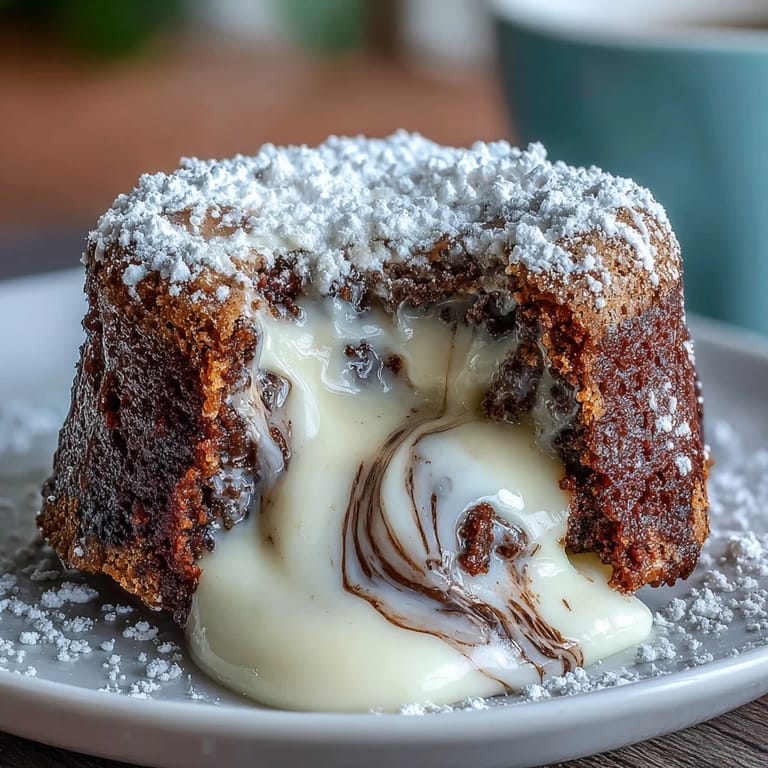
- Let the cakes rest for one to two minutes, then run a thin knife around each edge and invert onto serving plates. If you rush this step, the cakes might stick; if you wait too long, they'll be too firm to have that molten center.
 Save
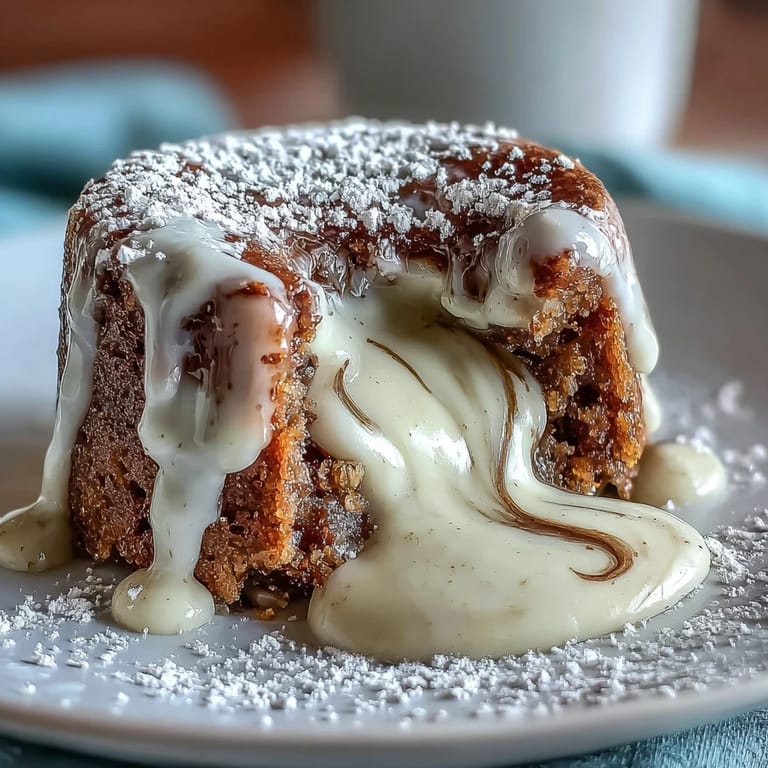
Save There's a particular magic to serving these cakes warm, when the hojicha aroma is still rising from the plate and the white chocolate is still molten enough to pool around the edges. I remember one winter night when I made these for just myself—no dinner party, no guests, just me curled up with a book and these little cakes as my reward for making it through a tough week. Sometimes the best meals are the quiet ones we make for ourselves.
The Hojicha Difference
Hojicha is green tea leaves that have been roasted until they turn deep brown and develop this incredible nutty, almost coffee-like aroma that somehow stays humble and never overpowers. Unlike matcha, which can taste grassy or vegetal if you're not careful, hojicha brings warmth and depth to any dish it touches. In this cake, it's the voice that keeps the white chocolate from becoming one-note and sweet, creating a conversation between flavors instead of a monologue.
Timing and Temperature Matter
I learned this lesson the hard way after overbaking a batch and discovering that even thirty seconds too long turns your molten masterpiece into a regular, albeit delicious, flourless chocolate cake. The sweet spot is that narrow window where the edges are set firm enough to hold their shape but the center is still soft enough to flow. This is why using an oven thermometer is worth it—ovens lie all the time, and a cake as delicate as this one needs the truth.
Serving and Pairing
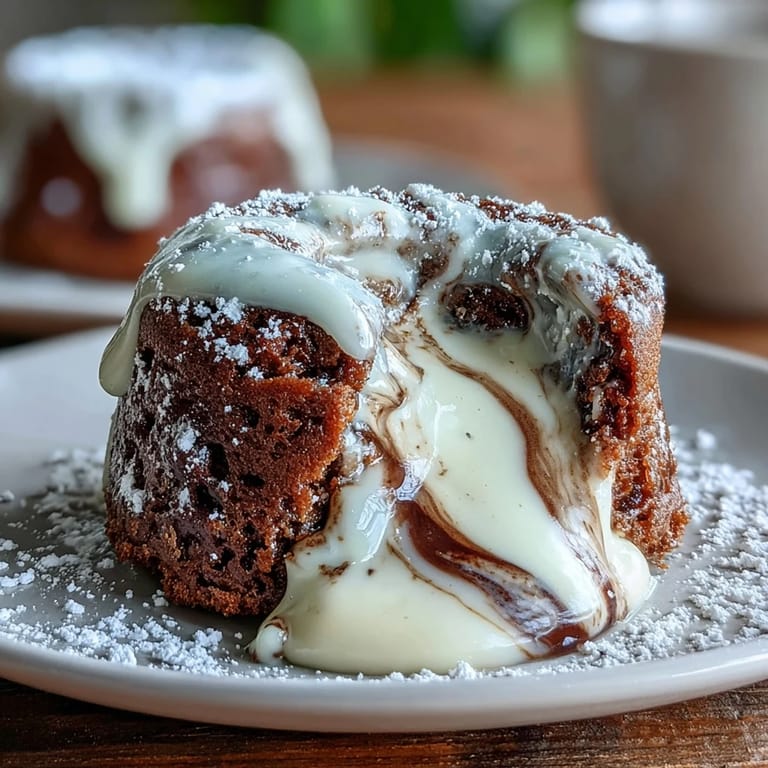
These cakes shine brightest when served immediately after unmolding, dusted with powdered sugar and perhaps a small quenelle of whipped cream or a handful of fresh berries to cut through the richness. I love serving them with ice-cold milk because the temperature contrast is thrilling, or with a shot of espresso for those moments when you want the flavors to wake up and dance together. A light, crisp wine like a Riesling or even a cup of hojicha tea would be beautiful complements if you want to lean into the theme.
- The powdered sugar isn't just decoration—it adds a delicate sweetness and lovely contrast to the earthy hojicha.
- If you're making these ahead, you can prepare the batter a few hours early and bake them fresh just before serving.
- Have your serving plates ready and warm before you flip the cakes so they stay at the perfect temperature.
 Save
Save These little cakes remind me that sometimes the most memorable meals are the ones that take only thirty minutes from start to finish but taste like they took all day. Make these for yourself, make them for people you want to impress, or make them simply because you deserve something delicious and beautiful on an ordinary Tuesday night.
Cooking Guide
- → What makes hojicha different from matcha?
Hojicha is roasted green tea leaves that have been ground into a fine powder, giving it a nutty, toasty flavor with lower caffeine content. Matcha is shade-grown and steamed, resulting in a grassier, more vegetal taste and higher caffeine levels.
- → How do I know when the cakes are done?
The edges should appear set and firm while the center remains soft and slightly jiggly when gently shaken. This usually takes about 12 minutes at 200°C. For extra molten centers, reduce baking time by 1 minute.
- → Can I make these ahead of time?
You can prepare the batter up to a few hours ahead and store it covered in the refrigerator. Let it come to room temperature for about 15 minutes before baking. For best results, bake immediately after assembling to achieve the perfect molten texture.
- → What can I substitute for hojicha powder?
Matcha powder works well for a green tea variation with a more vegetal flavor. Alternatively, try finely ground roasted green tea leaves or even cocoa powder for a chocolate version. Keep in mind the flavor profile will change slightly with each substitution.
- → Why did my cakes collapse?
Collapse usually happens from underbaking or opening the oven door too early, which causes temperature fluctuation. Make sure the edges are completely set before removing from the oven. Also let them rest for 1–2 minutes after baking to stabilize before inverting.
- → Can I freeze these lava cakes?
You can freeze baked, cooled lava cakes for up to 1 month. Wrap individually in plastic and foil. Reheat in a 180°C oven for 8–10 minutes until warm and molten inside. Alternatively, freeze unbaked batter in ramekins and bake frozen, adding 2–3 minutes to baking time.