 Save
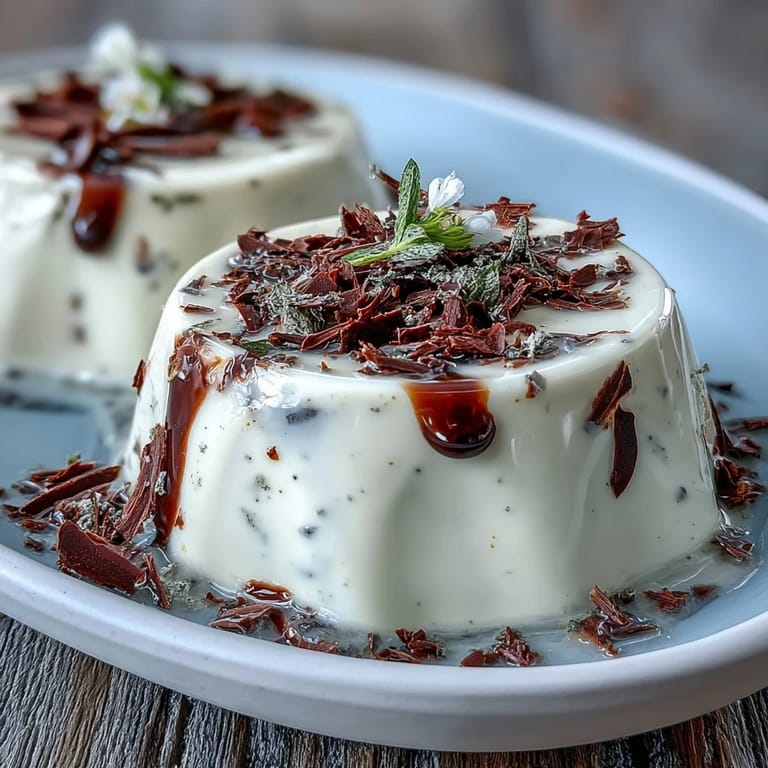
Save The first time I encountered hojicha, it wasn't in a teacup but wafting from a tiny Tokyo café where the barista was steaming milk for someone's afternoon pick-me-up. That roasted, almost nutty aroma stuck with me, and months later, I found myself wondering what would happen if I brought that same warmth into a panna cotta. The result was this silky custard that tastes like autumn in every spoonful, refined enough for a dinner party but simple enough that you'll want to make it on a quiet Tuesday night just for yourself.
I remember bringing four ramekins of this to a dinner where everyone was expecting something conventional, and the moment someone tasted it, the room went quiet in that really good way. One guest asked if it was going to be on the menu at their favorite restaurant, and I loved getting to say, nope, just happened in my kitchen this afternoon. That's when I knew this recipe had crossed from interesting idea to something genuinely special.
Ingredients
- Heavy cream (1 1/2 cups): This is your foundation for that luxurious mouthfeel, so don't skip it or substitute with half-and-half unless you're okay with a thinner result.
- Whole milk (1/2 cup): It keeps things from being too heavy while letting the hojicha flavor shine through without drowning.
- Granulated sugar (1/4 cup): Measure this carefully since too much masks the tea's delicate taste, and too little leaves it tasting oddly flat.
- Hojicha loose leaf tea (2 tablespoons): Buy the real stuff if you can, because tea bags often contain dust and filler that muddy the flavor you're chasing.
- Powdered gelatin (2 teaspoons): This is non-negotiable for the wobble and set you want, and blooming it first keeps lumps from forming.
- Cold water (2 tablespoons): Keep it cold so the gelatin blooms properly and doesn't start cooking before you're ready.
Tired of Takeout? 🥡
Get 10 meals you can make faster than delivery arrives. Seriously.
One email. No spam. Unsubscribe anytime.
Instructions
- Bloom the gelatin:
- Sprinkle the gelatin over cold water in a small bowl and let it sit undisturbed for 5 minutes. You'll see it absorb the water and become spongy, which is exactly what you want.
- Heat the cream and milk:
- Pour the heavy cream, whole milk, and sugar into a saucepan and turn the heat to medium-low. Watch it carefully until steam rises from the surface but you don't see any bubbles breaking, which usually takes about 5 minutes.
- Infuse with hojicha:
- Remove the pan from heat, add your hojicha tea, and let it steep for 7 to 8 minutes. The longer you wait, the deeper the color and flavor, though beyond 8 minutes it can turn slightly bitter.
- Strain and return to heat:
- Pour everything through a fine-mesh sieve into a clean bowl, using the back of a spoon to gently press the leaves and extract every bit of flavor. Put the strained mixture back in the pan and warm it again until it's steaming but not boiling.
- Dissolve the gelatin:
- Add your bloomed gelatin to the warm cream mixture and whisk continuously for about a minute until it's completely dissolved and you see no grainy bits. This is important because lumpy gelatin creates an unpleasant texture.
- Pour and cool:
- Divide the mixture evenly among your ramekins or serving glasses, then let them sit on the counter until they reach room temperature, which takes about 20 minutes. This prevents condensation from forming inside the plastic wrap.
- Chill until set:
- Cover each ramekin with plastic wrap and slide them into the refrigerator for at least 4 hours, though overnight is even better. You'll know they're ready when they jiggle just slightly when you gently shake the ramekin, like a perfectly set custard.
- Serve with style:
- If you're unmolding, run a thin knife around the edges and invert onto a plate, otherwise just serve directly in the glass with whatever garnish calls to you.
 Save
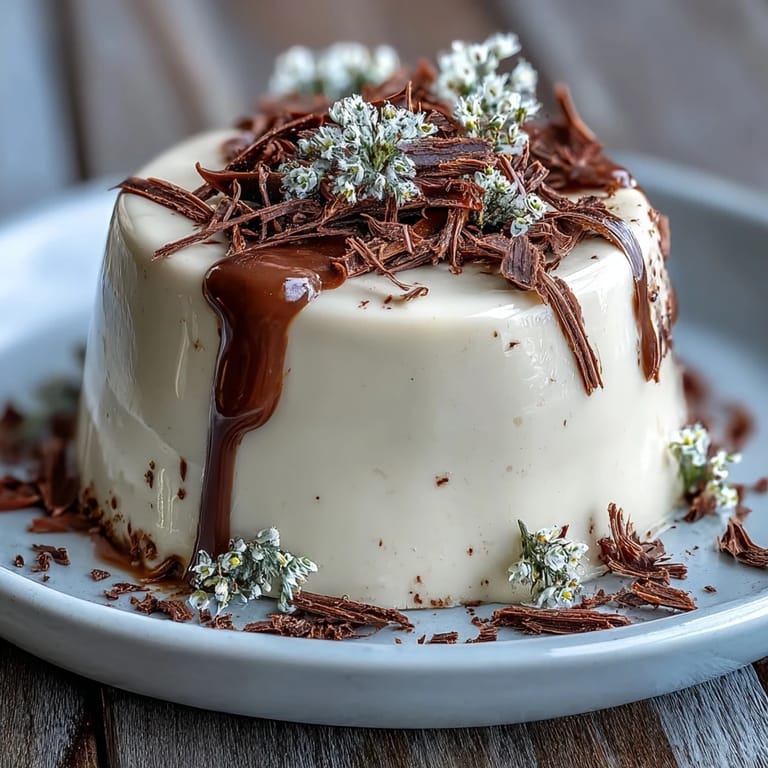
Save There was something almost meditative about watching the hojicha leaves unfurl in the warm cream, turning it from white to a soft, warm brown that looked like liquid suede. It felt like I was capturing something precious in a spoon, and every time someone closed their eyes after the first bite, I understood exactly why.
Making It Your Own
Once you've made this once, you'll start seeing possibilities everywhere. Some people add a pinch of sea salt to bring out the roasted notes even more, while others swirl in a little dark chocolate ganache before chilling for something more indulgent. The beauty of panna cotta is that it's flexible enough to bend to your mood while still maintaining its essential elegance.
Vegan and Dietary Swaps
If dairy isn't in your plan, coconut cream and milk work surprisingly well, though the flavor will shift toward something slightly tropical. For the gelatin, agar-agar is your friend, but use about 1 teaspoon dissolved in 3 tablespoons water since it sets faster and firmer than gelatin. Just know that agar-agar doesn't have quite the same wobble, so the texture will be slightly more solid.
Serving and Storage Ideas
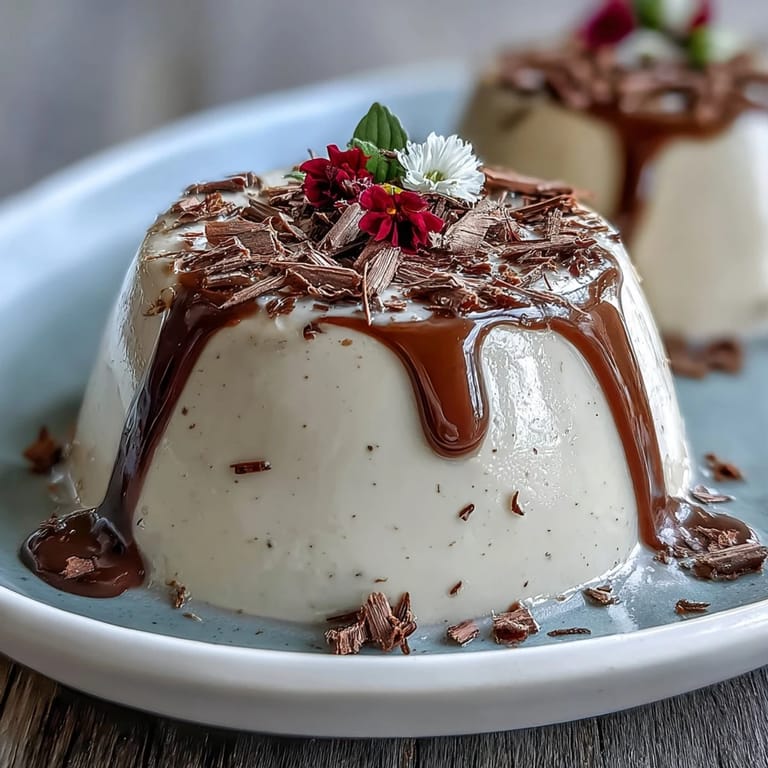
These panna cottas are beautiful on their own but equally happy dressed up with whipped cream, shaved dark chocolate, toasted hazelnuts, or even a single edible flower placed on top. They'll keep covered in the refrigerator for up to 3 days, making them perfect for meal prep or unexpected guests. If you're feeling fancy, serve with a small glass of cold-brewed hojicha on the side for doubling down on that roasted tea flavor.
- Make them the morning of your dinner party so they're perfectly set by evening.
- Store them upright in the fridge with plastic wrap sealed tight to avoid picking up other flavors.
- Let them sit at room temperature for about 5 minutes before serving if unmolding, which makes the knife glide through more easily.
 Save
Save This panna cotta taught me that sometimes the most memorable desserts aren't the ones that require hours of fussing but the ones that whisper rather than shout. Make it once for yourself, and you'll find yourself making it again.
Cooking Guide
- → What makes hojicha unique for desserts?
Hojicha offers distinct roasted, earthy notes with lower caffeine content than green tea. Its nutty, caramel-like undertones pair beautifully with creamy desserts, adding sophisticated depth without overwhelming sweetness.
- → Can I make this vegetarian-friendly?
Absolutely. Substitute the powdered gelatin with agar-agar flakes or powder. Use approximately 1 teaspoon agar-agar powder dissolved in the liquid mixture, bringing it to a brief boil to activate the setting properties.
- → How long can I store this in the refrigerator?
The set custard keeps beautifully for 3-4 days when covered tightly with plastic wrap. The flavors actually develop and intensify slightly after the first day, making it an excellent make-ahead dessert for entertaining.
- → What's the best way to unmold panna cotta?
Dip the bottom of each ramekin briefly in warm water for 5-10 seconds. Run a thin knife around the edge to release the suction, then invert onto a serving plate. Give a gentle shake, and the custard should release smoothly.
- → Can I use other tea varieties?
Certainly. Matcha creates vibrant green color with grassy notes, while Earl Grey adds bergamot citrus. Sencha provides a more delicate vegetative flavor. Adjust steeping time to 3-5 minutes for more delicate teas.