 Save
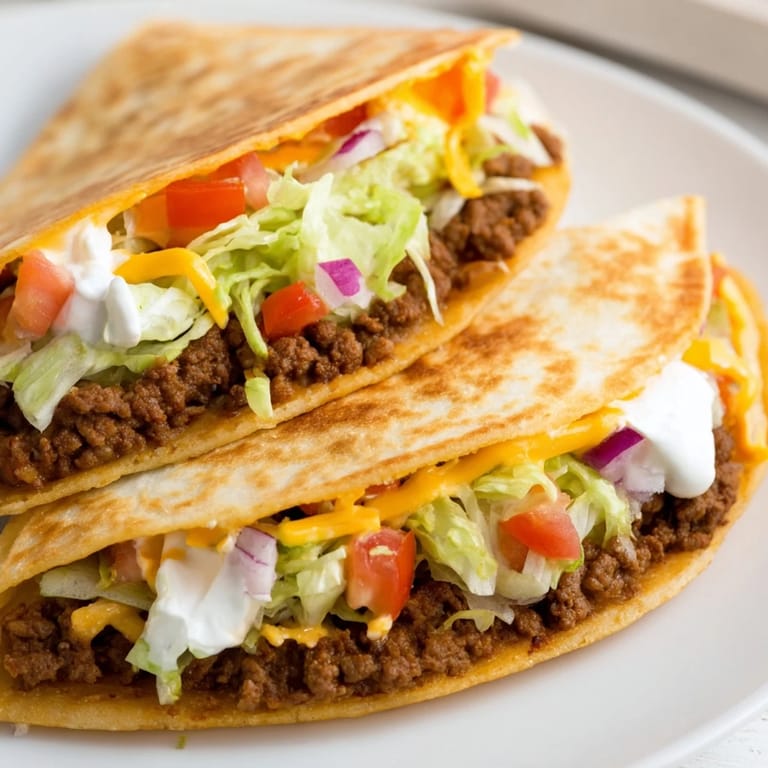
Save There's something about that moment when you bite into a Crunchwrap Supreme and hear the crunch of the tostada shell giving way to melted cheese and seasoned beef—it hits different when you've made it yourself. I was at a friend's house last summer when someone mentioned missing late-night Taco Bell runs, and I thought, why not prove we could nail this at home? Turns out, once you taste the homemade version with crispy edges from the skillet and that perfect balance of textures, store-bought doesn't compare.
I made these for my sister's movie night, and watching everyone's faces light up when they realized it was homemade—not takeout—felt like a small kitchen victory. The best part was that my niece wanted to help assemble them, and suddenly this simple recipe became this whole family thing where everyone was constructing their own perfect wrap.
Ingredients
- Ground beef: One pound gives you plenty of seasoned filling for four hearty wraps, and it browns faster if you break it into smaller pieces as it cooks.
- Taco seasoning mix: This is your shortcut to authentic flavor; the water helps distribute the spices evenly through the meat.
- Nacho cheese sauce: The warm, pourable kind is essential—if you make your own, you'll have better control over how thick it is.
- Large flour tortillas: Ten-inch ones give you enough surface to fold without tearing; soft and pliable matters here.
- Tostada shells: These are the surprise crunch factor, so don't skip them or use regular tortilla chips.
- Sour cream: It adds tang and helps seal layers together, plus it cools things down if your cheese gets too hot.
- Fresh iceberg lettuce: The mild flavor won't overpower, and it stays crisp even after grilling.
- Tomato and red onion: Dice the tomato small so it doesn't make the wrap soggy; the onion adds bite.
- Vegetable oil: Use just enough to prevent sticking, not so much that the tortilla gets greasy.
Tired of Takeout? 🥡
Get 10 meals you can make faster than delivery arrives. Seriously.
One email. No spam. Unsubscribe anytime.
Instructions
- Brown the beef until it smells amazing:
- Heat your skillet over medium and add the ground beef, breaking it apart with a spoon as it cooks. You'll know it's ready when it's no longer pink and the kitchen smells like a taco stand, about 6 to 8 minutes. Drain the fat carefully—you want the meat but not a puddle of grease.
- Add the seasoning and let it meld:
- Sprinkle the taco seasoning over the cooked meat, pour in the water, and stir until everything is coated and bubbling slightly. The mixture should thicken a bit as it simmers for 2 to 3 minutes—that's when you know the flavors have bonded.
- Warm up your cheese sauce:
- While the beef settles, heat your nacho cheese sauce so it's pourable but not scorching. If it's too thick, a splash of milk helps thin it out without ruining the flavor.
- Start with one tortilla as your base:
- Lay it flat on a clean surface and think of it like a canvas. You're about to layer flavors and textures that'll stay put when you fold it.
- Add beef right in the center:
- About a quarter of your meat mixture goes in the middle—not too much or it'll squish out, not too little or you'll get a bite of mostly cheese and tortilla.
- Drizzle the cheese like you mean it:
- The warm nacho cheese sauce binds everything together, so don't be shy. A quarter of your sauce per wrap gives you that creamy, melted layer.
- Set the tostada shell on top:
- This is the secret move that makes it feel like you've unlocked something special. The shell sits on the cheese and beef, and it'll stay there.
- Spread sour cream over the shell:
- Two tablespoons per wrap, spread it around like you're frosting a cake. It adds moisture and tang while helping the next layers stick.
- Layer your fresh toppings:
- Lettuce first so it doesn't get soggy against the shell, then tomato, red onion if you like it, and a handful of cheddar cheese. Be generous—this is where the fresh crunch comes from.
- Fold it like you're wrapping a gift:
- Bring the edges of the tortilla up and over the filling, creating pleats as you go. It should feel snug but not ripped. If there's a gap in the center, cut a small circle from an extra tortilla and patch it.
- Grill it until it's golden and sealed:
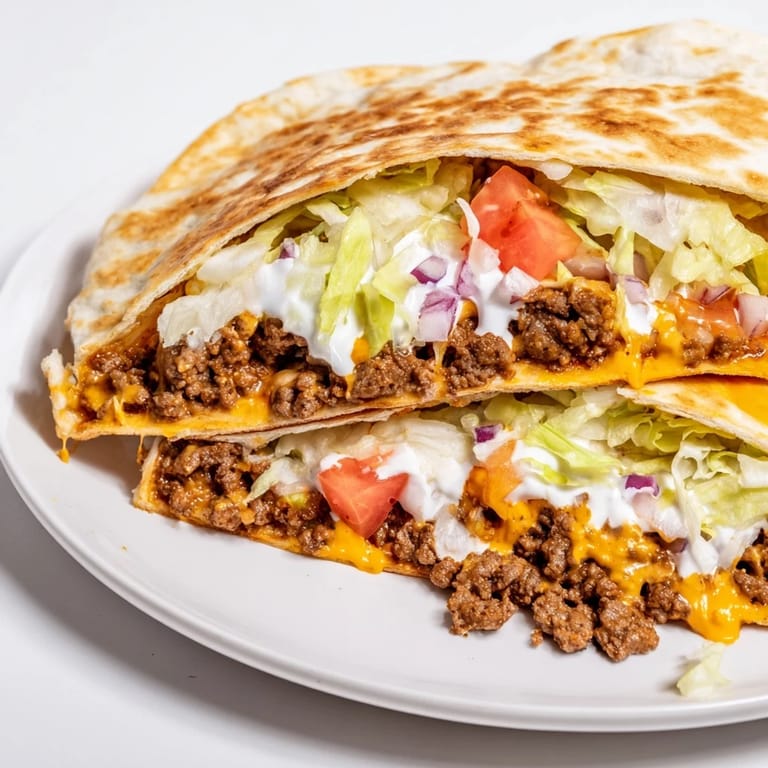
- Heat a tablespoon of oil in a nonstick skillet over medium heat. Place the Crunchwrap seam-side down and listen for that gentle sizzle—it means the tortilla is making contact and getting crispy. After 2 to 3 minutes, the bottom should be golden brown and the seam should be sealed shut. Flip it carefully and give the other side the same treatment.
- Let it rest for a moment before cutting:
- A minute or two off the heat lets everything settle so the filling doesn't spill everywhere when you slice it in half.
 Save
Save The first time I served these to people who'd only ever had the drive-through version, someone asked me how I got the cheese so melty and perfect. It clicked for me then that homemade doesn't have to mean complicated—it just means doing a few small things with intention.
The Secret Is in the Layers
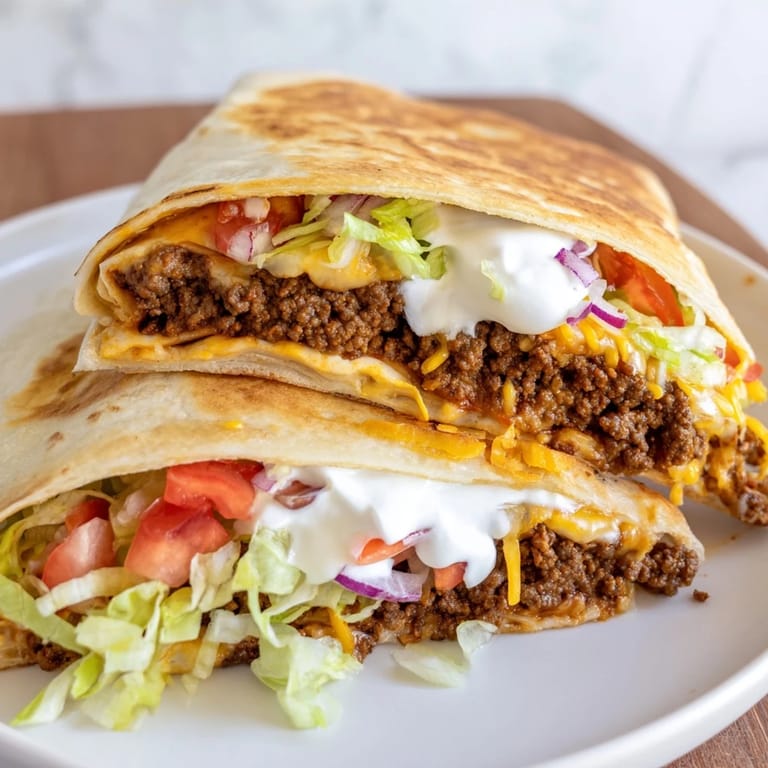
People think the Crunchwrap is about having every ingredient, but really it's about how they stack. The tostada shell isn't just a texture gimmick; it's a structural anchor that keeps everything from becoming a wet mess. When you put the sour cream directly on the shell, it prevents the lettuce from getting soggy while also creating a barrier between the warm cheese and fresh veggies. The order matters more than you'd think—beef and cheese go in the center where heat keeps them warm, then the cooling elements layer on top so you get warm and fresh in every bite.
Why Grilling Changes Everything
You could technically eat this thing cold right after assembling it, and it'd still taste good. But the moment that oil hits the skillet and the flour tortilla starts to brown, something happens—the edges get crispy, the cheese gets a little blistered, and the whole thing melds into something that feels indulgent instead of just practical. I usually crank the heat slightly higher for the final minute on each side to get the color darker, but you have to watch it so it doesn't burn. The Crunchwrap wants to caramelize, and that caramelization is what makes your kitchen smell incredible.
Make It Your Own
The beauty of making this at home is that you're not locked into one version. I've done it with ground turkey when I wanted something leaner, and it works just as well because the seasoning and sauce carry the flavor. My friend who's vegetarian made a version with seasoned black beans instead of beef, and honestly, it's become her go-to when she wants something that feels indulgent and a little bit fun. You can add jalapeños to the lettuce layer, throw in some pickled onions, or drizzle hot sauce on the sour cream before you add the toppings—the wrap structure is forgiving enough to handle your preferences.
- Try adding crispy bacon for a smokier dimension or fresh cilantro for brightness.
- If you find the cheese too heavy, swap half the nacho cheese for a lighter sauce or even use melted pepper jack for spice.
- Make the beef extra garlicky by cooking minced garlic in the oil before adding the meat.
 Save
Save These wraps are proof that you don't need a restaurant to get that crave-worthy satisfaction, just a hot skillet and permission to layer things the way you like them. Once you nail the technique, you'll find yourself making these on nights when you want something fast but feel like you actually cooked.
Cooking Guide
- → How is the beef seasoned for this dish?
The ground beef is cooked and then simmered with a taco seasoning mix and water, allowing the flavors to deepen before assembly.
- → What makes the tortilla crispy yet soft?
The tostada shell provides a crunchy texture, while the flour tortilla is folded over the filling and grilled, resulting in a crisp outside with a soft interior.
- → Can this be prepared with alternative proteins?
Yes, ground turkey, chicken, or plant-based crumbles can substitute beef to accommodate dietary preferences.
- → What cheese options are used in this dish?
Nacho cheese sauce and shredded cheddar cheese combine to add creamy, melted, and tangy flavors.
- → How is the folding technique important?
Folding the tortilla edges carefully creates pleats that seal the fillings inside, ensuring the crunchwrap holds together during grilling.