 Save
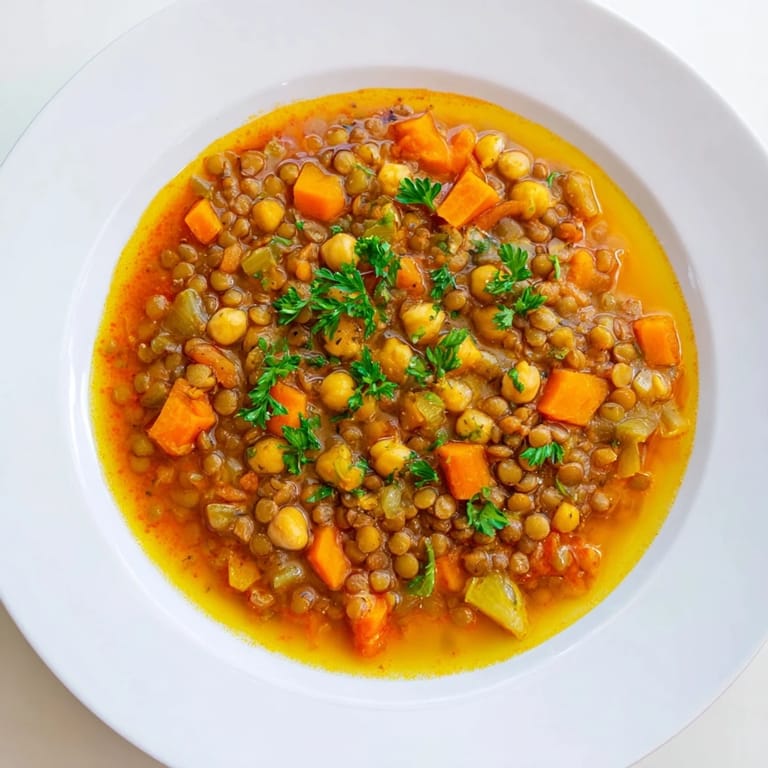
Save There's a particular evening I keep coming back to—standing in my kitchen on a cool autumn night, a friend visiting from out of town, and me scrambling to make something warm and meaningful with what I had on hand. I pulled down a can of chickpeas and some dried lentils, found sumac hiding in the back of my spice cabinet, and suddenly remembered the flavors of a meal I'd had years ago in a small neighborhood restaurant. Two hours later, my kitchen smelled like cumin and garlic, and my friend was asking for the recipe before dessert even arrived.
I've made this stew on Sunday afternoons when the weather turned and people needed something hot in their hands, and on weeknight evenings when I wanted dinner on the table without fussing. What stuck with me was watching someone taste it for the first time, watching their face when the flavors hit—that moment when comfort food and bright, unexpected spices collide on your tongue.
Ingredients
- Brown or green lentils (1 cup, dried): The backbone of this dish; they hold their shape beautifully when cooked and give the stew substance without turning mushy. I learned to rinse them well and pick through for any tiny stones that somehow always sneak in.
- Chickpeas (1 can, 15 oz): They add a creamy texture and earthy sweetness that rounds out the lentils' mineral taste.
- Olive oil (2 tablespoons): This is where the flavor journey starts; good olive oil makes a noticeable difference in how the aromatics develop.
- Yellow onion (1 large, finely chopped): The aromatic foundation—you want it soft and translucent, not rushed or browned.
- Garlic (3 cloves, minced): Fresh garlic matters here because you're cooking it just long enough to soften it without turning it bitter.
- Carrots and celery (2 medium and 2 stalks): These add sweetness and structure that deepens as everything simmers together.
- Sumac (1½ teaspoons ground): This is the secret ingredient that gives the stew its distinctive tangy brightness; if you can't find it, lemon zest works, but sumac is worth seeking out.
- Cumin (1 teaspoon ground): Warm and slightly nutty, it ties everything together in that unmistakable Middle Eastern way.
- Coriander (½ teaspoon ground): A subtle floral note that balances the earthier spices.
- Smoked paprika (½ teaspoon): A whisper of smokiness that adds depth without overwhelming.
- Salt and pepper (1 teaspoon salt, ½ teaspoon black pepper): Season to your taste as you go; you're the boss of your own bowl.
- Cayenne pepper (¼ teaspoon, optional): For those who want a gentle warmth lingering at the back of their throat.
- Vegetable broth and water (4 cups and 1 cup): The liquid that brings everything into conversation with each other.
- Lemon juice (1 large lemon, about 3 tablespoons): Added at the end, it wakes up every flavor and keeps the stew from tasting heavy.
- Fresh parsley (½ cup, chopped): Fresh herbs at the end make it taste alive; don't skip this or add it too early.
Tired of Takeout? 🥡
Get 10 meals you can make faster than delivery arrives. Seriously.
One email. No spam. Unsubscribe anytime.
Instructions
- Start with softness:
- Heat your olive oil in a large pot over medium heat, then add the chopped onion. Let it sit for 4 to 5 minutes, stirring now and then, until it turns soft and translucent. You want to hear it sizzle gently, smell that sweet onion aroma filling your kitchen.
- Build the flavor base:
- Add the minced garlic, diced carrots, and celery to the pot. Cook for another 3 to 4 minutes, stirring occasionally, until everything softens slightly and the garlic becomes fragrant. This is where your kitchen starts to smell like something real and good.
- Toast the spices:
- Stir in the sumac, cumin, coriander, smoked paprika, salt, black pepper, and cayenne if you're using it. Cook for about 1 minute until the spices become even more aromatic and bloom in the hot oil. You'll feel the shift in the smell—that's when you know they're releasing their best flavors.
- Combine and simmer:
- Add the rinsed lentils, drained chickpeas, vegetable broth, and water to the pot. Stir everything together, bring it to a boil, then immediately reduce the heat to low. Cover the pot and let it simmer gently for 25 to 30 minutes, until the lentils are completely tender but not falling apart.
- Finish with brightness:
- Remove the pot from heat and stir in the lemon juice and half of the fresh parsley. Cook uncovered for 2 to 3 more minutes just to let everything meld. The lemon will completely transform the taste, lifting everything bright.
- Taste and serve:
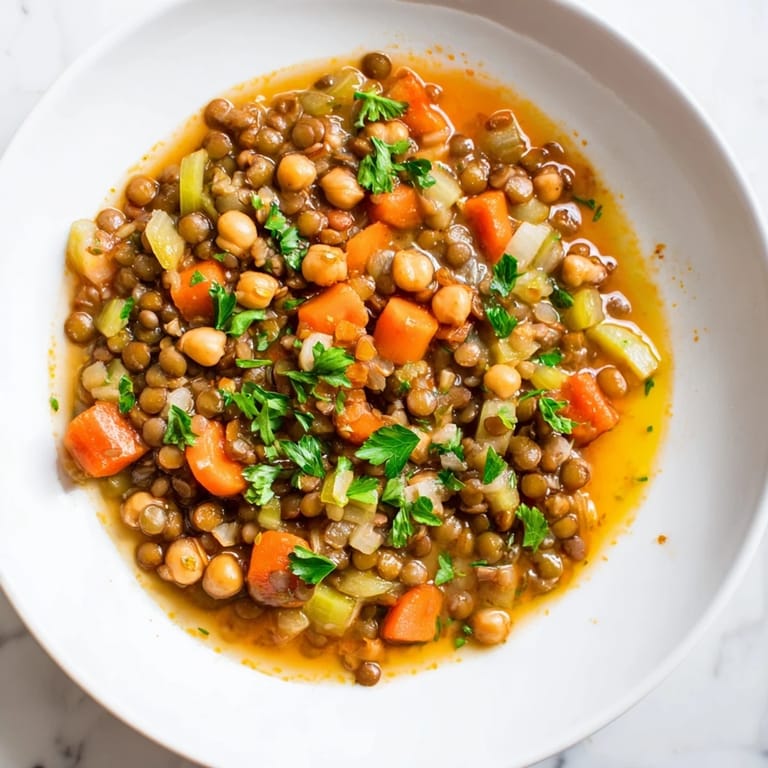
- Taste the stew and adjust the salt, pepper, and lemon juice if needed—it's your bowl, trust your instincts. Ladle into bowls and top with the remaining fresh parsley and lemon wedges on the side.
 Save
Save I remember the first time someone told me this stew reminded them of home, of meals their grandmother made. Food can do that—carry memory and comfort in a bowl, make someone feel like they belong in your kitchen even if they're visiting for the first time.
Why Sumac Makes All the Difference
Sumac is a dried, ground spice that tastes like tart lemon without any acidity, which sounds contradictory but it's true. It's common in Middle Eastern and Mediterranean cooking, and once you taste what it does to a dish—how it brightens everything without adding moisture or throwing off your liquid ratios—you'll find yourself reaching for it in soups, roasted vegetables, even sprinkled on grain bowls. If your grocery store doesn't carry it, Middle Eastern markets almost always do, and a small container lasts a long time.
How to Make It Your Own
The beauty of this stew is that it's flexible enough to shift with what you have and what you're craving. Add a handful of fresh spinach or chopped kale in the last 5 minutes of cooking if you want more greens. Serve it over rice or with warm flatbread if you want something more filling, or eat it on its own if you prefer it simple. Some mornings I drizzle a little extra olive oil on top just before serving—it adds richness and makes the whole bowl feel more generous.
Storage and Reheating
This stew actually tastes better the next day, once all the flavors have had time to know each other. Store it in an airtight container in the refrigerator for up to 4 days, and it freezes beautifully for up to 2 months if you want to make a double batch. When you reheat it, add a splash of water or broth if it's gotten too thick, and always taste before serving to see if you need more lemon or salt.
- Cold stew can be warmed gently on the stovetop or in the microwave, whichever fits your mood.
- If it's been frozen, thaw it overnight in the refrigerator before reheating.
- A squeeze of fresh lemon when you reheat it brings back all that brightness.
 Save
Save This stew is the kind of dish you make not because a recipe told you to, but because you wanted something warm and real and good. Once you've made it once, you'll keep making it.
Cooking Guide
- → Can I substitute fresh parsley with other herbs?
Yes, fresh cilantro or mint can be used as alternatives to parsley for a different herbal flavor profile.
- → What is the role of sumac in this dish?
Sumac adds a tangy, lemony flavor that brightens the stew and complements the earthy lentils and chickpeas.
- → How can I add more heat to this stew?
Increase the cayenne pepper amount or add chopped fresh chili peppers according to your heat preference.
- → Is it possible to use canned lentils instead of dried?
Canned lentils can be used, but reduce cooking time since they are already tender to avoid overcooking.
- → What side dishes pair well with this stew?
Warm flatbread, steamed rice, or couscous make excellent accompaniments that soak up the flavorful broth.