 Save
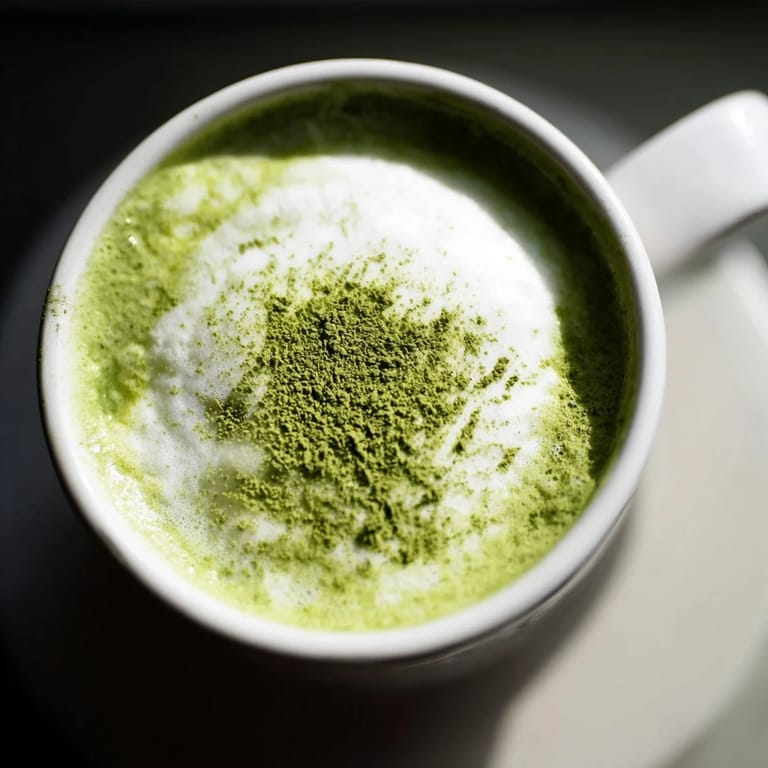
Save There's something about that first moment when matcha powder hits hot water—the way it transforms from an earthy green powder into a cloud of vivid color. I discovered matcha lattes during a quiet morning in a small Tokyo café, watching the server whisk it with such deliberate care that I realized this wasn't just tea, it was ritual. Now whenever I make one at home, I chase that same meditative feeling, turning five minutes into something that feels like a small ceremony.
I remember making this for my roommate on a hectic morning when she was stressed about a work presentation, and watching her shoulders relax after the first sip. She asked what was in it, and when I told her it was just tea and milk, she didn't believe me—she was convinced something that smooth and satisfying must be more complicated. That's when I realized this drink has a quiet magic to it.
Ingredients
- Matcha green tea powder: Use culinary-grade matcha, not cosmetic—the color is brighter and the flavor more delicate, and you'll taste the difference immediately.
- Hot water: Temperature matters more than you'd think; water that's too hot turns matcha bitter and harsh, while the right warmth coaxes out the sweet, grassy notes.
- Milk: Dairy creates the silkiest texture, but oat milk froths beautifully and adds its own subtle sweetness if you're avoiding dairy.
- Sweetener: Honey brings a gentle floral note, maple syrup adds earthiness, or skip it entirely if you want to taste the matcha's natural umami.
Tired of Takeout? 🥡
Get 10 meals you can make faster than delivery arrives. Seriously.
One email. No spam. Unsubscribe anytime.
Instructions
- Sift the matcha:
- Use a fine mesh sieve to break up any clumps before whisking—this small step prevents those grainy pockets that ruin the silky texture.
- Whisk in hot water:
- Pour your just-cooled water into the matcha and use quick zigzag motions with your whisk, letting the friction create that distinctive frothy layer on top.
- Heat your milk:
- Warm it slowly over medium heat or use a frother, listening for the gentle steam sound—you want it hot enough to create that creamy mouthfeel without scorching the milk's natural sweetness.
- Combine and pour:
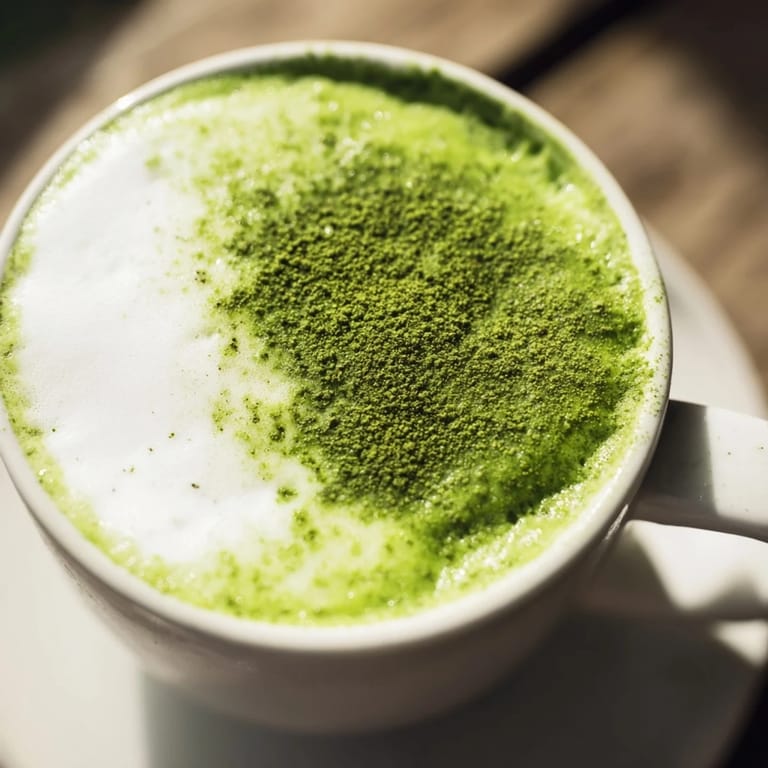
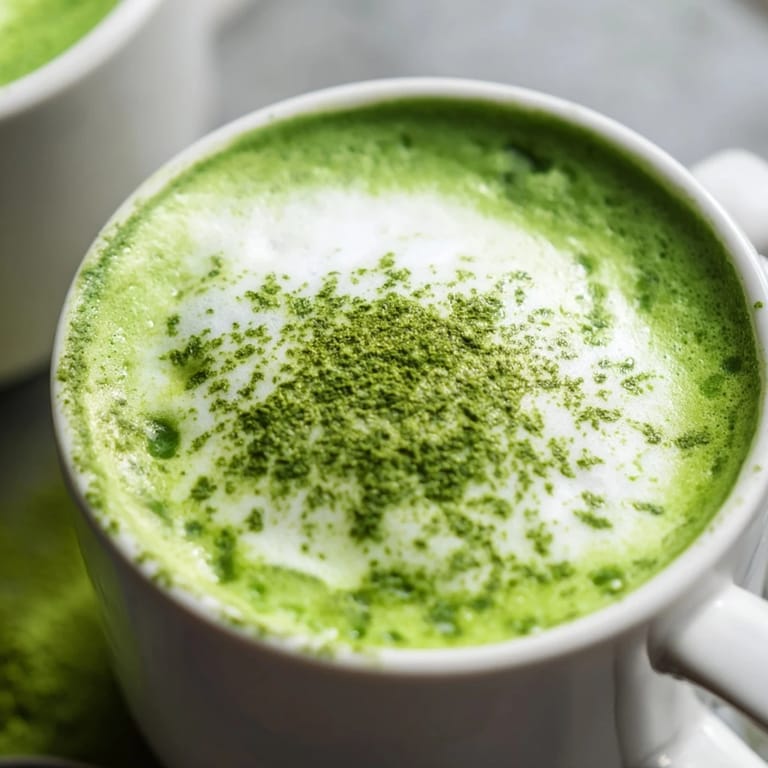
- Pour the matcha base into your mugs first, then gently add the steamed milk while using a spoon to hold back the foam, creating those beautiful layers.
- Top with foam:
- Spoon the reserved foam onto the surface for texture and visual appeal.
 Save
Save My neighbor tasted this for the first time and suddenly started visiting every morning, not for the caffeine but for the calm it gave her before her day began. We started making them together on weekends, and it became less about the drink itself and more about having that quiet moment to catch up before the world got loud.
The Art of Whisking
The whisking motion is everything—it's not aggressive stirring, it's a gentle but purposeful zigzag that incorporates air into the matcha, creating that signature froth that makes the drink feel luxurious. When you get the rhythm right, you'll feel it in your wrist, and the powder dissolves into a smooth, creamy base rather than settling into a gritty paste at the bottom. The sound changes too, from a dull scraping to an almost musical whisking sound that tells you you're doing it right.
Temperature and Timing
Boiling water is the enemy of a good matcha latte—it destroys the delicate flavor compounds and creates a harsh, almost metallic taste. The sweet spot is around 80°C (175°F), which sounds precise but is really just water that's stopped actively bubbling and feels hot to the touch without being dangerously so. Getting the milk temperature right matters equally; steaming it properly creates that dense, satiny texture that makes the drink feel indulgent rather than thin and watery.
Making It Your Own
Once you've mastered the basic version, the possibilities expand in every direction. Some mornings I add a touch of vanilla extract, other times a small splash of almond extract transforms it into something almost dessert-like. You can double the matcha for a sharper, more vegetal latte, or use less if you prefer something gentler and more milk-forward.
- Try a pinch of sea salt to enhance the matcha's natural umami depth.
- Swap milk for coconut cream for a richer, tropical version.
- Make it iced by preparing the matcha as usual, then pouring it over ice and chilled milk for a refreshing afternoon pick-me-up.
 Save
Save There's something grounding about preparing this drink slowly, choosing not to rush it even when your day is busy. A matcha latte isn't just caffeine—it's permission to pause.
Cooking Guide
- → What is the best water temperature for matcha preparation?
Use hot water around 80°C (175°F) to dissolve the matcha powder smoothly without bitterness.
- → Can I use plant-based milk alternatives?
Yes, almond, oat, or soy milk work well and maintain the creamy texture.
- → How do I avoid lumps when mixing matcha?
Sift the matcha powder before whisking and use a zigzag motion with a bamboo whisk for a smooth blend.
- → Is sweetener necessary in this drink?
Sweetener is optional; honey, maple syrup, or sugar can be added to taste.
- → Can this drink be served iced?
Yes, the blend is excellent both hot and iced, providing a refreshing option.