 Save
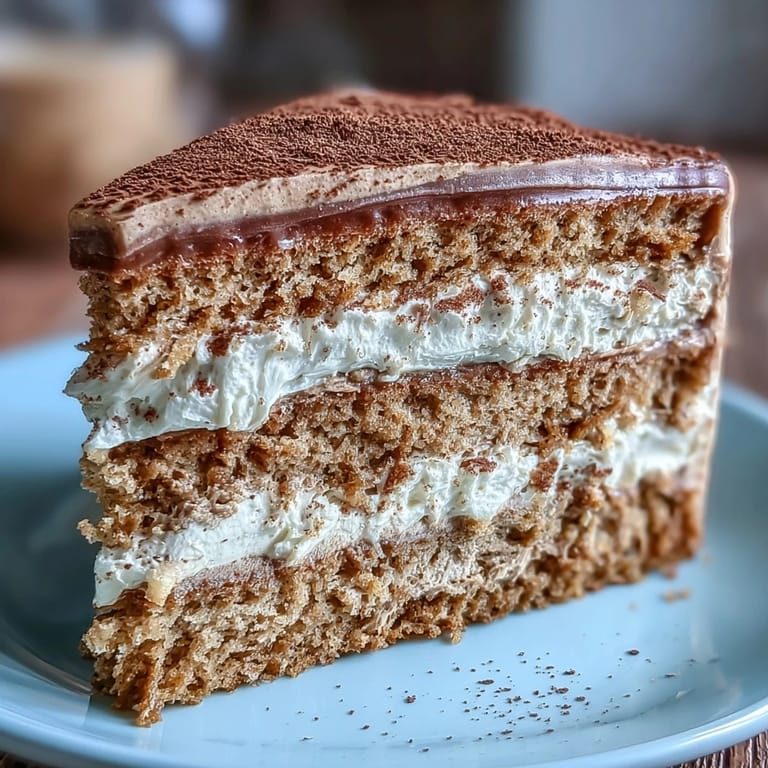
Save Experience the perfect harmony of Japanese tea culture and delicate pastry with this Fluffy Hojicha Cake. This recipe features an airy genoise sponge infused with the deep, roasted notes of hojicha tea, layered with a silky, smoky whipped cream that creates a sophisticated and fragrant dessert.
Save Hojicha is unique among Japanese teas because it is roasted at high temperatures, resulting in a reddish-brown color and a distinctively toasty aroma. By incorporating this into both the sponge and the cream, the cake achieves a complex profile that is both comforting and refined.
Ingredients
Tired of Takeout? 🥡
Get 10 meals you can make faster than delivery arrives. Seriously.
One email. No spam. Unsubscribe anytime.
Sponge Cake
- 4 large eggs, room temperature
- 120 g (2/3 cup) granulated sugar
- 120 g (1 cup) cake flour, sifted
- 20 g (2 tbsp) hojicha powder
- 40 g (3 tbsp) unsalted butter, melted and cooled
- 30 ml (2 tbsp) whole milk, room temperature
- 1/4 tsp fine sea salt
Hojicha Whipped Cream
- 300 ml (1 1/4 cups) heavy cream (minimum 35% fat)
- 40 g (1/3 cup) powdered sugar
- 10 g (1 tbsp) hojicha powder
- 1 tsp vanilla extract
Instructions
- Step 1
- Preheat your oven to 170°C (340°F). Line the bottom of a 20 cm (8-inch) round cake pan with parchment paper; do not grease the sides.
- Step 2
- In a heatproof bowl, combine eggs and granulated sugar. Place over a pot of simmering water, whisking constantly, until the mixture is warm (about 40°C/104°F).
- Step 3
- Remove from heat and beat with an electric mixer on high speed until thick, pale, and tripled in volume (about 7 minutes). Reduce speed and beat 1 more minute.
- Step 4
- Sift together cake flour, hojicha powder, and salt. Gently fold into the egg mixture in 2 additions, taking care not to deflate the batter.
- Step 5
- Combine melted butter and milk in a small bowl. Add a scoop of batter to this mixture, stir to combine, then gently fold all back into the main batter.
- Step 6
- Pour batter into the prepared pan. Tap gently to remove air bubbles.
- Step 7
- Bake for 23–25 minutes, or until the top springs back and a skewer comes out clean.
- Step 8
- Cool in the pan for 10 minutes, then run a knife around the edges and invert onto a rack. Remove parchment and cool completely.
- Step 9
- For the whipped cream: In a chilled bowl, sift in hojicha powder and powdered sugar. Add heavy cream and vanilla, then whip to medium-stiff peaks.
- Step 10
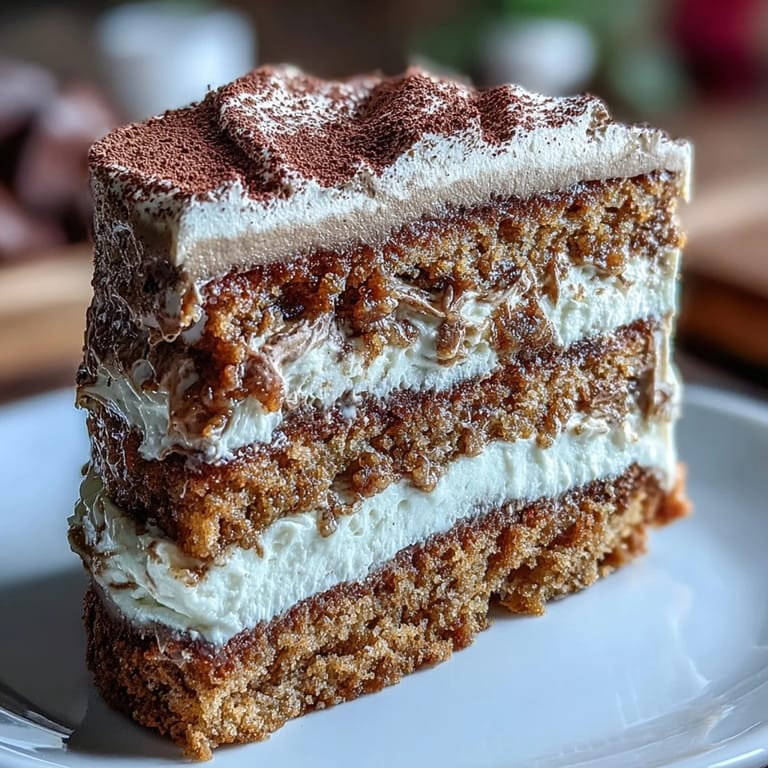
- To assemble: Slice the cooled sponge horizontally into two or three layers. Spread hojicha whipped cream between each layer and over the top. Decorate with extra hojicha powder (optional).
- Step 11
- Chill for at least 30 minutes before serving for cleaner slices.
Zusatztipps für die Zubereitung
Hojicha powder is the key to this recipe's distinctive smoky flavor and can usually be found at Japanese specialty markets. When folding the dry ingredients, use a wide rubber spatula and a gentle circular motion to preserve the air bubbles created during whipping.
Varianten und Anpassungen
For an even moister result, brush each sponge layer with a simple syrup or brewed hojicha tea before applying the cream. You can also add texture by garnishing the finished cake with dark chocolate shavings or roasted hazelnuts.
Serviervorschläge
Serve this cake chilled alongside a hot pot of Hojicha or Genmaicha tea. The cooling period in the refrigerator is essential, as it allows the cream to set and makes it much easier to cut neat, professional-looking slices.
 Save
Save With its earthy aroma and feather-light crumb, this Fluffy Hojicha Cake is a testament to the beauty of subtle flavors. It is a sophisticated treat that brings the essence of a Japanese tea house right into your kitchen.
Cooking Guide
- → What makes hojicha different from other Japanese teas?
Hojicha is roasted green tea that develops a smoky, caramel-like flavor with lower caffeine content. Its reddish-brown color and toasty notes make it ideal for baking, adding depth without overwhelming sweetness.
- → Can I substitute hojicha powder with matcha?
While possible, matcha will create a more grassy, bitter flavor profile and vibrant green color. Hojicha's roasted, smoky character is unique to this cake. If substituting, reduce amount slightly as matcha is more potent.
- → Why shouldn't I grease the cake pan sides?
Genoise sponge needs to climb up ungreased pan walls to achieve proper rise and structure. Greasing would cause the batter to slip down, resulting in a dense, flat cake. Lining only the bottom ensures easy removal after cooling.
- → How do I know when the sponge is properly beaten?
The egg mixture should triple in volume, become pale yellow, and leave a ribbon trail when the whisk is lifted. This aeration is crucial for the fluffy texture. Take care not to underbeat, or the cake will be dense.
- → Can I make this cake in advance?
The assembled cake keeps well refrigerated for 2-3 days. The sponge can be baked a day ahead and wrapped tightly at room temperature. Whipped cream is best whipped fresh, but can be prepared hours before assembly and kept chilled.
- → Why is the egg mixture warmed over water?
Gentle warming to 40°C helps sugar dissolve completely and creates a stable foam structure when beaten. This warm start ensures maximum volume and proper aeration, essential for the light genoise texture.