 Save
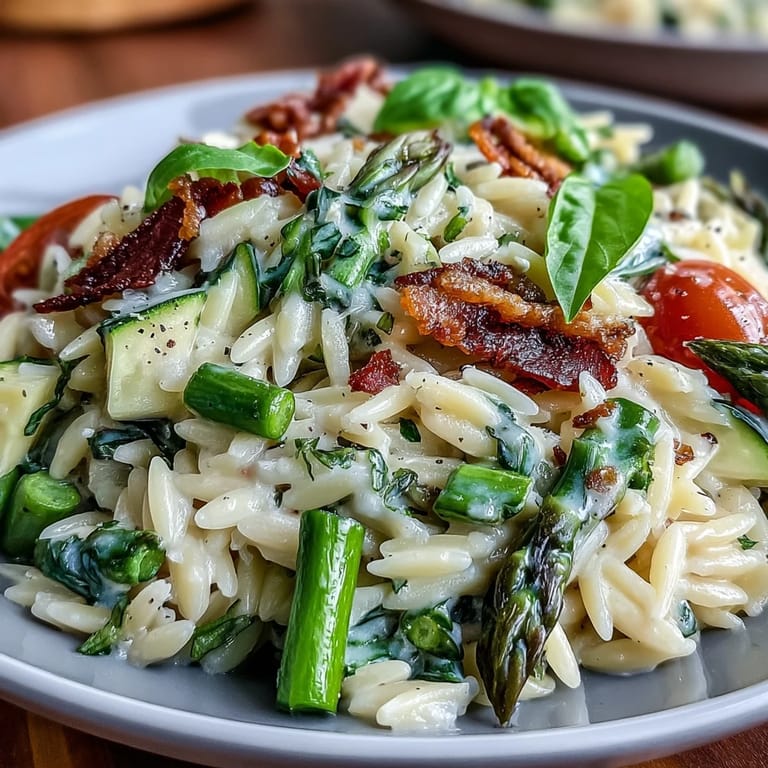
Save Every spring, when the markets brim with crisp asparagus and glossy snap peas, my kitchen perks up with anticipation. It was one breezy Saturday when the idea of tossing them together with orzo first fluttered in—half inspiration, half empty-fridge improvisation. The spectrum of green against the golden pasta instantly felt like an invitation to sit by a sunlit window. There’s something deeply satisfying about the soft sizzle of shallots blending with garlic while bright veggies tumble in after, coaxing out their sweetness. Even the parmesan melts in like the first warm day after a cold stretch—soft, cozy, and entirely comforting.
One memorable evening, I made this for friends after an impromptu garden walk, and the laughter that floated around the table seemed to mingle with the lemon zest. Someone spilled a handful of peas and we scooped them straight from cutting board to skillet, not a moment lost. That’s the magic—cooking side by side, improvising, tasting, and adjusting as we go. It felt less like preparing dinner and more like sharing a playful secret. The empty bowls at the end said it all.
Ingredients
- Orzo pasta: Resembles rice, but cooks up tender and soaks in flavor easily; always salt your pasta water generously—it makes a surprising difference.
- Olive oil: A good, fruity olive oil brings lushness and subtly perfumes the vegetables.
- Asparagus: Trimming the woody ends ensures only the tender tips go in, keeping the dish light and fresh.
- Sugar snap peas: Look for plump pods and snap them in half for more even bites; they keep their crunch if you avoid overcooking.
- Zucchini: Dice them roughly the same size as peas to help everything cook at the same pace.
- Cherry tomatoes: Halved and tossed in near the end, they melt into little bursts of sweetness.
- Frozen peas: Add them still cool; they cook through quickly and brighten things up.
- Shallot: Softer and sweeter than onions, finely chopped so they melt away for an aromatic base.
- Garlic: Mince finely—too large and it can overpower; it’s the subtle backbone here.
- Parmesan cheese: Freshly grated melts silkily, so keep a little extra for finishing, if you can resist eating it straight.
- Fresh basil leaves: Sliced right before folding in, their fragrance is vivid and unmistakable.
- Unsalted butter: A tablespoon swirled in at the end makes everything taste more polished and luscious.
- Salt and black pepper: Season in layers for the most balanced flavors; always taste right before serving.
- Lemon zest: Only the fragrant yellow—avoid the bitter white pith—and zest right over the skillet for maximum aroma.
- Lemon juice: Half a lemon brightens the whole dish; add more to your liking for extra zing.
Tired of Takeout? 🥡
Get 10 meals you can make faster than delivery arrives. Seriously.
One email. No spam. Unsubscribe anytime.
Instructions
- Boil the orzo:
- Add your orzo to a big pot of boiling salted water, stirring occasionally until it’s just al dente. Before draining, scoop out half a cup of the starchy water and set it aside.
- Make the veggie base:
- In your widest skillet, pour in olive oil over medium heat, then add shallots and garlic—breathe in as their fragrance fills the kitchen. Watch for their shimmer, not browning, to keep them sweet.
- Sauté the spring greens:
- Tip in the asparagus, sugar snap peas, and zucchini; stir gently to coat them in oil and shallots. After a few minutes, they will turn bright and glossy—just tender, still singing with freshness.
- Add tomatoes and peas:
- Toss in halved cherry tomatoes and frozen peas, stirring for a couple of minutes until the tomatoes just start to slump and peas go vivid green.
- Combine orzo and veggies:
- Return the drained orzo to the skillet, tossing with the lively vegetables until everything mingles nicely.
- Creamy finish:
- Stir in butter, parmesan, lemon zest, and lemon juice, pouring in reserved pasta water a splash at a time until silky and glossy.
- Season and fold in basil:
- Add salt and plenty of black pepper to taste, then take the pan off the heat and stir in ribbons of basil so their perfume lingers warmly.
- Serve and enjoy:
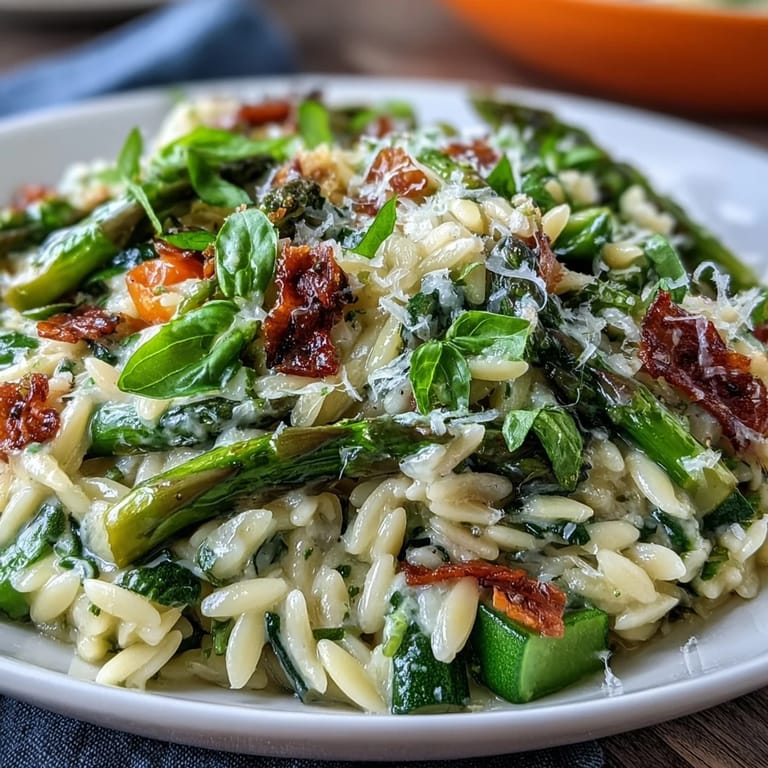
- Mound the primavera into shallow bowls, scatter with extra parmesan and basil, and serve right away while still steaming and vivid.
 Save
Save 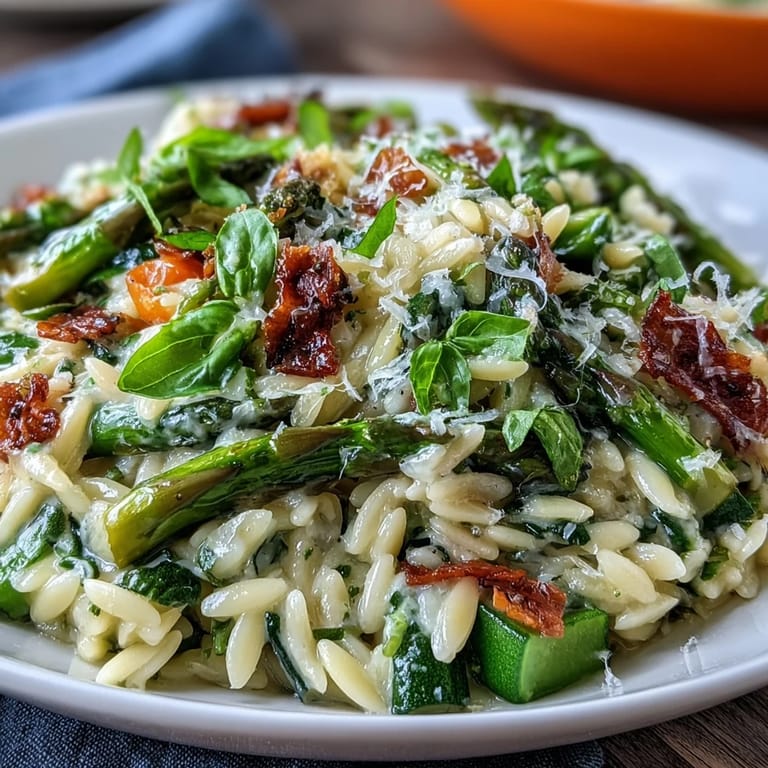 Save
Save There’s a photo from a rainy weekday when I first made this for myself, perched on the kitchen stool with a bowl balanced on my knees, all thoughts of grey weather forgotten between thyme-scented bites. This dish turned an ordinary evening into a small celebration, and even writing about it, I can feel that fleeting bit of spring sunshine return.
Picking the Best Spring Veggies
Don’t be shy about chatting with your grocer for the freshest find—crisp asparagus should snap, peas should squeak, and zucchini should feel heavy for its size. Using vegetables at their peak means you barely need anything else for a dish that tastes alive. If you find baby spinach or artichoke hearts instead, toss them in near the end for a twist that still sings of spring.
Making Orzo Extra Creamy
'Creamy' can be a mindset as much as a texture: A little butter and a steady hand with pasta water are magic here. Don’t pour all the water at once—add a bit, stir, and watch as the pasta and cheese transform into silk. If it sits too long and stiffens up, just add another splash and stir to bring it back to life.
Favorite Ways to Change It Up
Some evenings I toss in leftover roasted veggies, or add a pinch of chili for heat when I feel adventurous. Sometimes, grilled chicken or shrimp gets tucked in for extra heartiness. Try replacing fresh herbs with mint or dill for a fragrant surprise.
- Grate the parmesan at the last moment for the boldest flavor.
- Zest the lemon straight over the skillet so the aroma doesn’t escape.
- Keep a wedge of lemon at the table for anyone who wants more.
 Save
Save 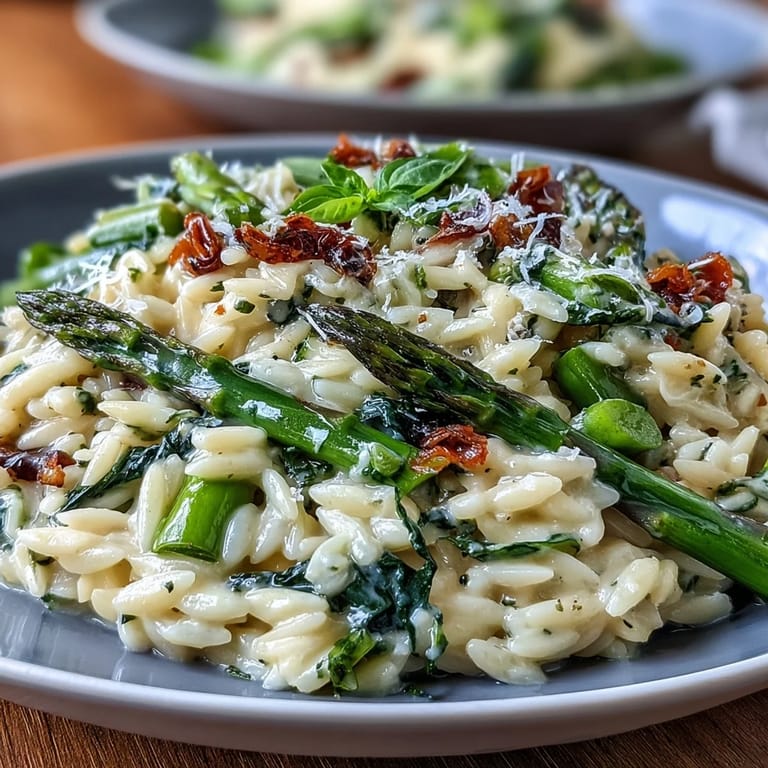 Save
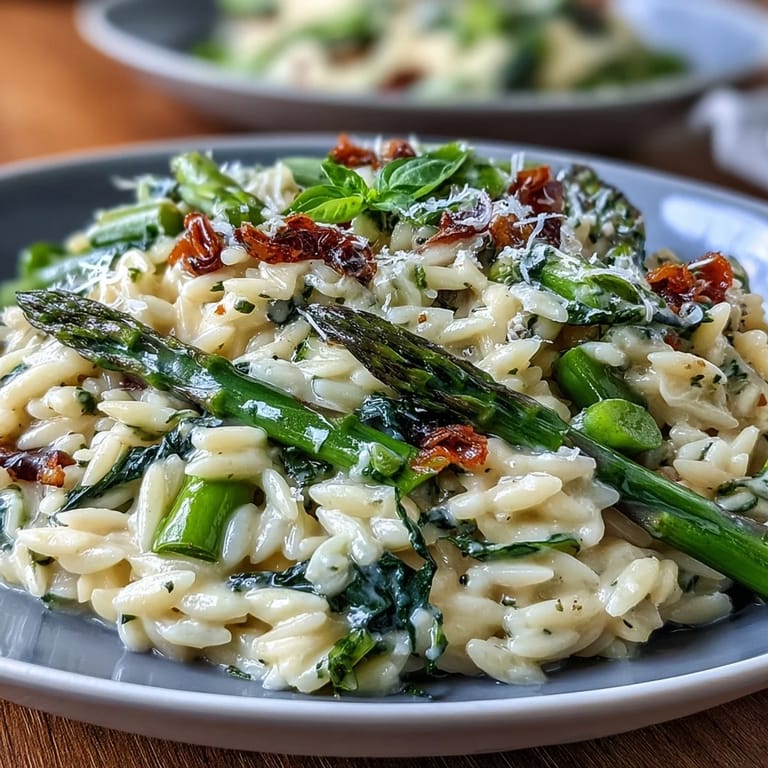
Save I hope this orzo primavera brings as much color to your table as it does to mine—and reminds you that even the simplest dishes can feel like a celebration.
Cooking Guide
- → How do I keep the vegetables crisp and vibrant?
Cook vegetables in stages over medium-high heat so each piece meets heat at the right time. Finish on high for a minute to brighten colors and preserve crunch, and avoid overcrowding the pan.
- → Can I make a vegan version?
Swap butter for plant-based spread and use vegan grated parmesan or nutritional yeast for a savory finish. Adjust salt to taste since vegan alternatives vary in saltiness.
- → What can I use instead of wheat orzo for a gluten-free option?
Use gluten-free orzo made from corn or rice, or substitute with short grains like pearl couscous or small gluten-free pasta; monitor cooking time as it will differ from wheat orzo.
- → How do I achieve a creamy texture without heavy cream?
Reserve starchy pasta water and add it gradually with butter and grated cheese (or vegan alternatives) while tossing the orzo; the starch emulsifies with fat to create a silky sauce.
- → What's the best way to reheat leftovers?
Reheat gently in a skillet over low heat with a splash of water or broth to restore creaminess, stirring until warm. Avoid high heat to prevent the grains from drying out.
- → What protein additions work well?
Grilled chicken, shrimp or seared tofu pair nicely—add them toward the end to warm through without overcooking. Canned white beans also add a creamy, vegetarian-friendly protein boost.