 Save
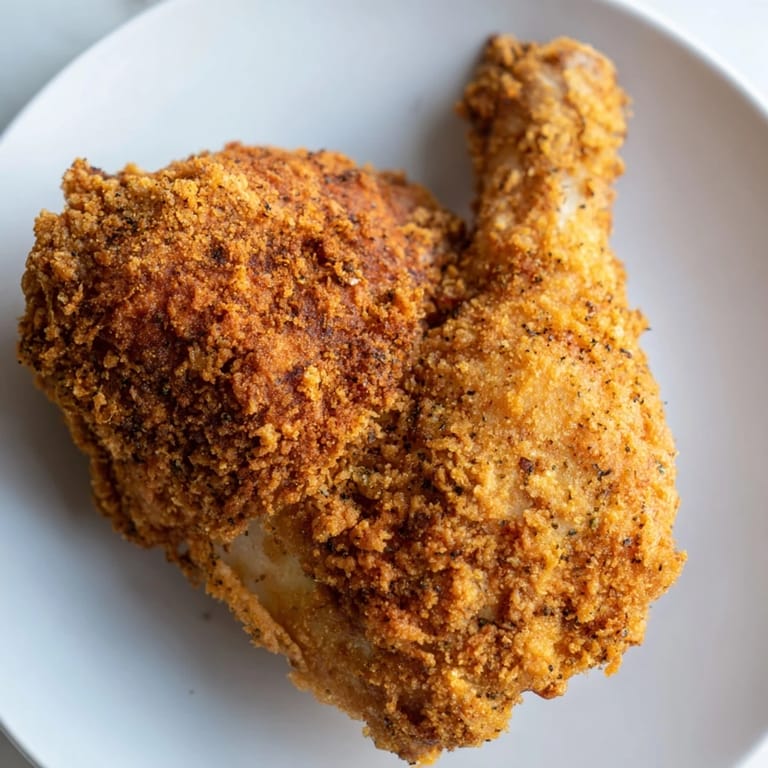
Save My roommate came home one evening with a bucket of KFC, and I watched him devour it like it was the best thing he'd ever tasted. That night, I couldn't stop thinking about what made it so impossibly good—that perfect shattering crust, the way it stayed crispy even as it cooled. I knew I had to figure it out, so I spent weeks tweaking spice ratios and frying temperatures until one batch made him stop mid-bite and ask where I'd gotten it. When I told him I'd made it, he didn't believe me until I showed him the buttermilk-soaked chicken in my fridge.
I made this for a small dinner party once, nervous about whether it would actually turn out crispy enough, and ended up watching my friends fight over the last piece. Someone actually asked if I'd just reheated takeout, which felt like the highest compliment possible. That moment taught me that sometimes the best meals are the ones you've sweated over, not the ones you've paid someone else to make.
Ingredients
- Chicken (8 pieces, skin-on, bone-in): Skin-on, bone-in pieces conduct heat better and stay juicier while developing that golden, crackling exterior—dark meat like thighs and drumsticks absorbs the spice blend even more effectively than white meat.
- Buttermilk (250 ml): This isn't just for flavor; the acidity tenderizes the chicken and helps the flour coating cling to the surface, creating micro-ridges that fry up impossibly crispy.
- All-purpose flour (200 g): The base that holds your entire spice story; make sure it's fresh from the bag, not something that's been sitting open in your pantry.
- Paprika (2 tsp): The color and warmth that makes fried chicken look irresistible, but use the good stuff—smoked paprika adds depth that regular paprika can't match.
- Garlic powder, onion powder, dried thyme, basil, oregano (1 tsp each): These are the backbone of what makes people say "I can't quite place it, but something about this is perfect."
- Celery salt, white pepper, black pepper, mustard powder, ginger, cayenne, sage (varying amounts): Each one plays a role; together they create layers of flavor that bloom on your tongue as you bite through the crust.
- Vegetable oil (1 liter): Use neutral oil with a high smoke point, and don't skimp—the oil temperature is everything, and you need enough volume to maintain consistent heat.
Tired of Takeout? 🥡
Get 10 meals you can make faster than delivery arrives. Seriously.
One email. No spam. Unsubscribe anytime.
Instructions
- Build the buttermilk marinade:
- Whisk together buttermilk, salt, and black pepper in a large bowl until combined. This simple mixture is going to penetrate every fiber of the chicken, tenderizing it while your spices are still waiting their turn.
- Marinate the chicken:
- Submerge all 8 pieces in the buttermilk, turning to coat completely. Cover and refrigerate for at least 1 hour, though overnight is genuinely worth the wait—the longer it sits, the more tender it becomes.
- Combine your spice flour:
- In a separate bowl, measure out every single spice and mix them thoroughly into the all-purpose flour, really whisking it together until the color is even. Any lumpy spots will create inconsistent seasoning, and you'll taste the difference.
- Coat each piece:
- Pull a piece of chicken from the marinade, let the excess drip back into the bowl, then press it firmly into your seasoned flour, making sure every surface is covered. Set each coated piece on a rack and let it rest for 10 minutes—this helps the flour cling and creates a thicker crust.
- Heat your oil:
- Bring your vegetable oil to exactly 170°C (340°F) in a deep fryer or heavy-bottomed pot. Use a thermometer here; guessing is the difference between golden and greasy.
- Fry in batches:
- Carefully lower chicken into the oil without crowding the pan, working in 2-3 batches if needed. Fry for 12–15 minutes, turning occasionally, until the coating is deep golden brown and the internal temperature reaches 75°C (165°F) at the thickest part.
- Drain and rest:
- Transfer fried chicken to a wire rack or paper towels to drain the excess oil. Let it rest for 5 minutes before serving—this allows the exterior to set into that satisfying crunch.
 Save
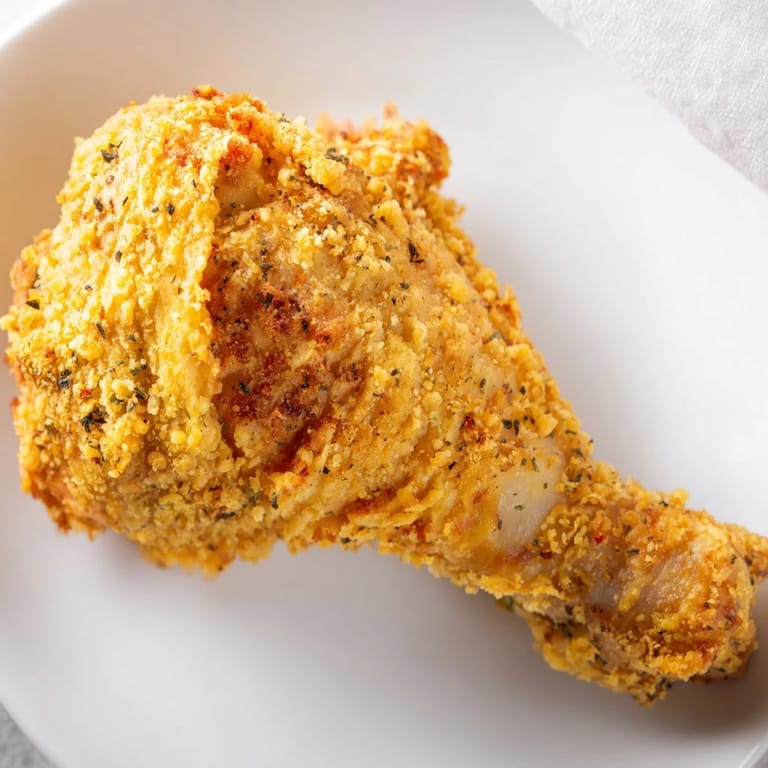
Save My partner watched me pull the first batch from the oil and heard the sound it made as it drained—that gentle sizzle that seemed to promise something special. When she took her first bite and closed her eyes, I knew I'd finally cracked the code.
The Secret Is In Your Spice Blend
People always assume that famous fast-food fried chicken relies on some proprietary ingredient they can't get, but the truth is simpler and more satisfying: it's the combination of common spices, the discipline of proper technique, and refusing to cut corners on any step. The paprika gives you color, the garlic and onion powder create savory depth, and those quieter spices—sage, thyme, ginger—are what make people pause mid-bite and wonder what they're tasting. The magic isn't hiding; it's built into the layers.
Temperature Control Changes Everything
I learned this the hard way after my first attempt resulted in pale, soggy chicken that tasted more like chicken soup than fried chicken. Once I invested in a thermometer and actually watched the oil temperature, everything shifted—the coating crisped in seconds, the chicken cooked through without burning, and the whole process became repeatable instead of luck-dependent. Temperature is the difference between thinking you can't fry chicken properly and never wanting to buy it again.
Serving Suggestions and Variations
This chicken pairs beautifully with classic sides—coleslaw cuts through the richness, hot biscuits soak up any remaining heat, and crispy fries complete the picture. You can also air-fry this recipe at 200°C (400°F) for about 20–25 minutes if you want something lighter, though the deep fryer version will always have that unmistakable shatter-and-crunch that defines the experience.
- Adjust the cayenne pepper down if you're cooking for people who don't love heat, or crank it up if you want it to linger.
- Try this with bone-in, skin-on thighs and drumsticks for maximum tenderness and flavor absorption.
- Leftover fried chicken actually stays crispy overnight if you store it uncovered in the refrigerator, making it perfect for quick lunches or midnight cravings.
 Save
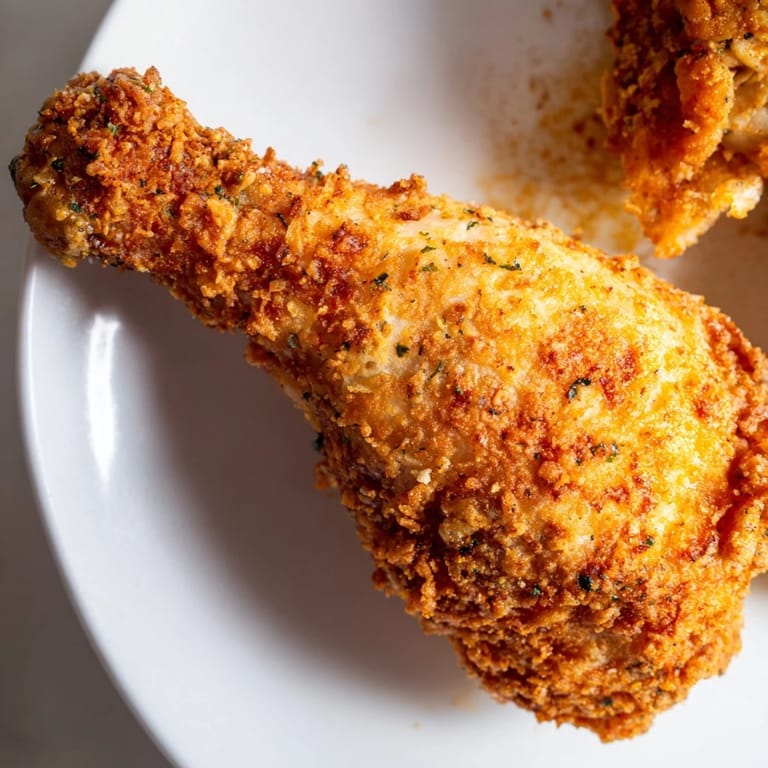
Save Making fried chicken at home feels like unlocking a small secret, the kind that makes you wonder why you ever paid someone else to do it. Once you've tasted your own crispy, perfectly seasoned batch, you'll understand why people come back for more.
Cooking Guide
- → How long should the chicken marinate?
Marinate the chicken for at least 1 hour, or preferably overnight, to ensure the buttermilk and spices fully tenderize and flavor the meat.
- → Can I use different cuts of chicken?
Yes, drumsticks, thighs, or bone-in breasts with skin work best for a juicy, crispy result.
- → What is the purpose of double-dipping?
Double-dipping in buttermilk and seasoned flour creates a thicker, crunchier coating that holds flavor well during frying.
- → How do I achieve the perfect crispiness?
Maintain frying oil at 170°C (340°F) and avoid overcrowding to ensure even cooking and a golden, crispy crust.
- → Are there alternatives to deep frying?
Yes, air frying can be used for a lighter, less oily version while maintaining a crispy texture.
- → What spices are included in the seasoning blend?
The blend features paprika, garlic powder, onion powder, thyme, basil, oregano, celery salt, black and white pepper, mustard powder, ginger, cayenne, and sage.