Japanese Nikujaga Beef Potatoes

Featured in: Cozy Nibble Nights

Japanese Nikujaga features thinly sliced beef and waxy potatoes simmered with onions and carrots in a sweet soy-based sauce. The dish develops a rich, glossy finish from the slow simmer, combining tender meat with soft vegetables. Optional additions like shirataki noodles and snow peas add texture and color. A warm, nourishing meal perfect for cozy dining.

Using dashi stock or a broth base enhances the umami, while ingredients like mirin, sake, and sugar balance the sauce's flavors. For variations, firm tofu or pork can replace the beef to suit different preferences or dietary needs.

Updated on Sun, 15 Feb 2026 01:03:15 GMT
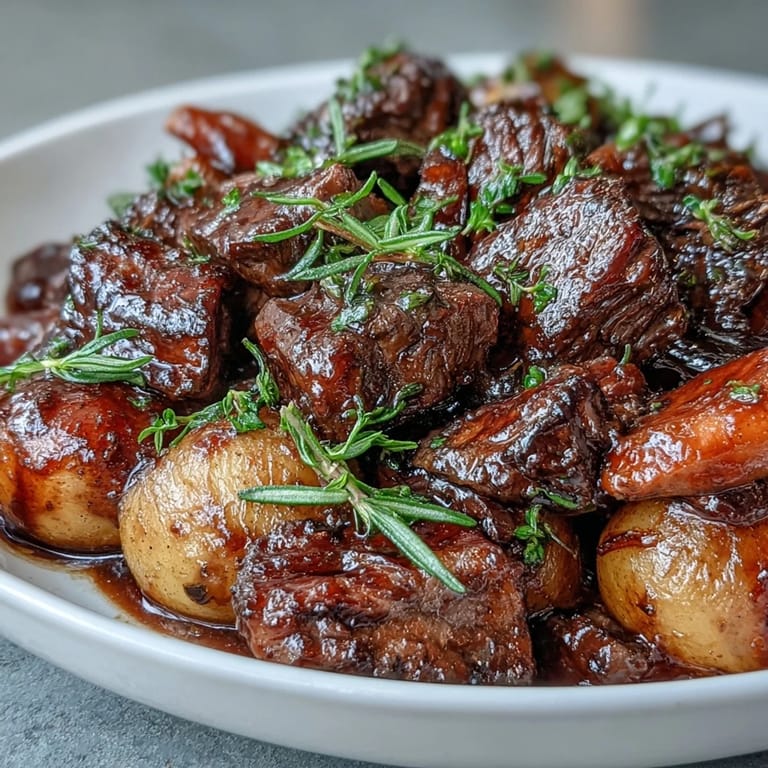
A steaming bowl of Japanese Nikujaga with tender beef, potatoes, and onions in a glossy soy-mirin broth.  Save
A steaming bowl of Japanese Nikujaga with tender beef, potatoes, and onions in a glossy soy-mirin broth. | fizznib.com

Japanese Nikujaga is a comforting home-style dish featuring tender beef, waxy potatoes, and onions braised in a sweet-savory soy-based sauce. This classic meal is simmered until the sauce is glossy and rich, making it perfect for a cozy, heart-warming dinner.

A steaming bowl of Japanese Nikujaga with tender beef, potatoes, and onions in a glossy soy-mirin broth.  Save
A steaming bowl of Japanese Nikujaga with tender beef, potatoes, and onions in a glossy soy-mirin broth. | fizznib.com

This traditional recipe is a staple in Japanese households, often referred to as 'ofukuro no aji' or mother's cooking. The combination of dashi, soy sauce, and mirin creates a deep umami flavor that perfectly complements the soft, starchy potatoes.

Ingredients

  • 300 g thinly sliced beef (such as chuck or ribeye)
  • 600 g waxy potatoes, peeled and cut into large chunks
  • 2 medium onions, sliced
  • 1 large carrot, peeled and sliced into thick rounds
  • 100 g shirataki noodles (optional, rinsed and drained)
  • 100 g snow peas or green beans, trimmed (optional)
  • 400 ml dashi stock (or water with 1 tsp instant dashi powder)
  • 4 tbsp soy sauce
  • 3 tbsp mirin
  • 2 tbsp sake
  • 2 tbsp sugar
  • 1 tbsp neutral oil (e.g., canola or vegetable oil)
Product image
Bake charming cakes, quick breads, and molded desserts that release cleanly for effortless decorating.
Check price on Amazon

Instructions

Step 1
Heat the oil in a large saucepan or deep skillet over medium heat.
Step 2
Add the sliced onions and sauté for 2-3 minutes until just softened.
Step 3
Add the beef and cook until lightly browned, stirring often.
Step 4
Add the potatoes and carrots, mixing to combine.
Step 5
Pour in the dashi stock, then add soy sauce, mirin, sake, and sugar. Stir well.
Step 6
Bring to a gentle boil. Skim off any foam or impurities that rise to the surface.
Step 7
Reduce heat to low, cover with a lid slightly ajar, and simmer for 20-25 minutes until the potatoes are tender and the flavors have melded.
Step 8
If using shirataki noodles, add them about 10 minutes before the end of cooking.
Step 9
For a glossy finish, remove the lid for the final 5 minutes and let the sauce reduce slightly.
Step 10
Add snow peas or green beans in the last 2-3 minutes so they stay bright and crisp.
Step 11
Serve hot with steamed white rice.

Zusatztipps für die Zubereitung

To ensure a clear and clean sauce, be sure to skim off any foam that rises during the boiling stage. You can also adjust the sweetness of the dish by varying the amount of sugar and mirin to suit your taste.

Varianten und Anpassungen

Thinly sliced pork can be used as a substitute for beef. For a vegetarian version, replace the meat with firm tofu and use vegetable broth instead of dashi. For a gluten-free option, use tamari or certified gluten-free soy sauce.

Serviervorschläge

Nikujaga is traditionally served hot alongside a bowl of steamed white rice. It pairs beautifully with a chilled sake or a warm cup of green tea for a complete Japanese dining experience.
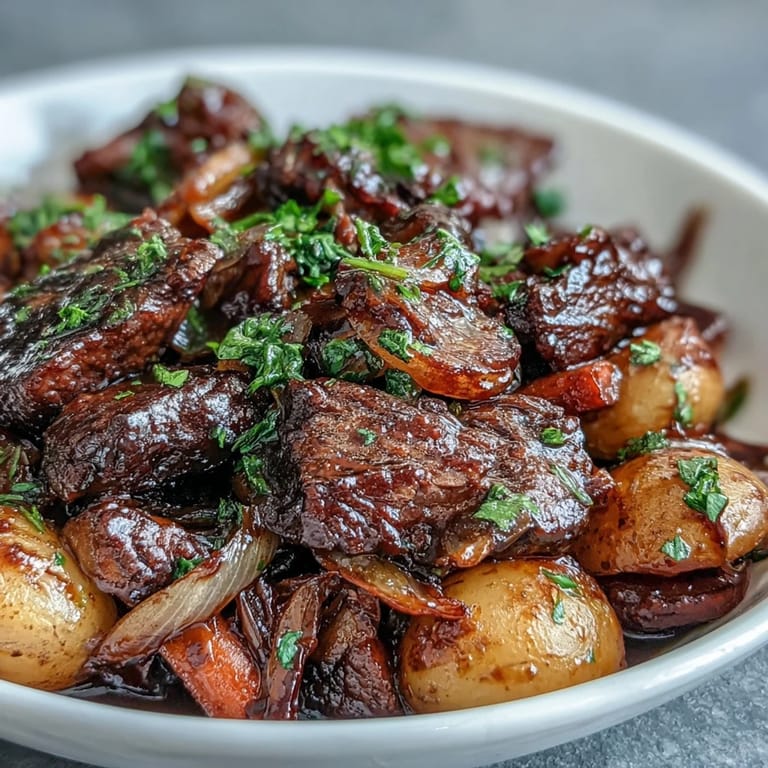
Savory Japanese Nikujaga featuring thinly sliced beef and waxy potatoes simmered in a sweet-savory dashi sauce.  Save
Savory Japanese Nikujaga featuring thinly sliced beef and waxy potatoes simmered in a sweet-savory dashi sauce. | fizznib.com

With its rich flavors and simple preparation, this Nikujaga recipe is sure to become a favorite in your home. Enjoy the harmony of sweet and savory in every bite.

Product image
Pressure cook meals, make rice, steam vegetables, and prepare soups faster for easy everyday cooking.
Check price on Amazon

Cooking Guide

What is traditional Nikujaga made with?

Traditional Nikujaga consists of thinly sliced beef, waxy potatoes, onions, and carrots simmered in a soy-based sauce flavored with mirin, sake, and sugar.

Can I substitute pork for beef in Nikujaga?

Yes, thinly sliced pork works well as a substitute, offering a different but delicious flavor profile.

What is the purpose of simmering with the lid slightly ajar?

Simmering with the lid ajar helps the sauce reduce slightly and intensifies the flavors while gently cooking the ingredients.

Are shirataki noodles necessary in this dish?

No, shirataki noodles are optional and add a unique texture but can be omitted without altering the core dish.

How do I adjust the sweetness of the sauce?

Adjust the balance of sugar and mirin to your taste to achieve the desired sweetness in the sauce.

What side dishes pair well with Nikujaga?

Steamed white rice is classic, and chilled sake or green tea complements the flavors nicely.

Japanese Nikujaga Beef Potatoes

A comforting dish with tender beef, potatoes, onions, and a sweet-savory soy-based braise.

Setup duration
15 min
Heat duration
35 min
Complete duration
50 min
Created by Chloe Bennett


Complexity Easy

Heritage Japanese

Output 4 Portions

Nutrition Categories No Dairy

Components

Meat & Vegetables

01 10.6 oz thinly sliced beef chuck or ribeye
02 21.2 oz waxy potatoes, peeled and cut into large chunks
03 2 medium onions, sliced
04 1 large carrot, peeled and sliced into thick rounds
05 3.5 oz shirataki noodles, rinsed and drained (optional)
06 3.5 oz snow peas or green beans, trimmed (optional)

Sauce

01 1.7 cups dashi stock or water with 1 teaspoon instant dashi powder
02 4 tablespoons soy sauce
03 3 tablespoons mirin
04 2 tablespoons sake
05 2 tablespoons granulated sugar

Oil

01 1 tablespoon neutral oil such as canola or vegetable oil

Method

Phase 01

Heat Oil: Heat the oil in a large saucepan or deep skillet over medium heat.

Phase 02

Soften Aromatics: Add the sliced onions and sauté for 2 to 3 minutes until just softened.

Phase 03

Brown Beef: Add the beef and cook until lightly browned, stirring often.

Phase 04

Combine Vegetables: Add the potatoes and carrots, mixing to combine.

Phase 05

Build Braising Liquid: Pour in the dashi stock, then add soy sauce, mirin, sake, and sugar. Stir well to combine.

Phase 06

Remove Impurities: Bring to a gentle boil. Skim off any foam or impurities that rise to the surface.

Phase 07

Simmer Main Components: Reduce heat to low, cover with a lid slightly ajar, and simmer for 20 to 25 minutes until the potatoes are tender and the flavors have melded.

Phase 08

Add Optional Noodles: If using shirataki noodles, add them about 10 minutes before the end of cooking.

Phase 09

Achieve Glossy Finish: Remove the lid for the final 5 minutes and let the sauce reduce slightly to achieve a glossy appearance.

Phase 10

Finish with Vegetables: Add snow peas or green beans in the last 2 to 3 minutes so they retain their bright color and crisp texture.

Phase 11

Serve: Serve hot with steamed white rice.

Kitchen Tools

  • Large saucepan or deep skillet with lid
  • Sharp knife
  • Cutting board
  • Ladle or spoon

Sensitivity Guide

Review ingredients carefully for potential allergens and seek professional medical guidance if uncertain.
  • Contains soy from soy sauce and wheat from standard soy sauce
  • Contains alcohol from mirin and sake
  • Shirataki noodles are made from konjac yam—verify for sensitivities
  • For gluten-free preparation, substitute with tamari or certified gluten-free soy sauce

Dietary Information (per portion)

Values shown are estimates only - consult healthcare providers for specific advice.
  • Energy: 350
  • Fats: 11 g
  • Carbohydrates: 41 g
  • Proteins: 20 g