 Save
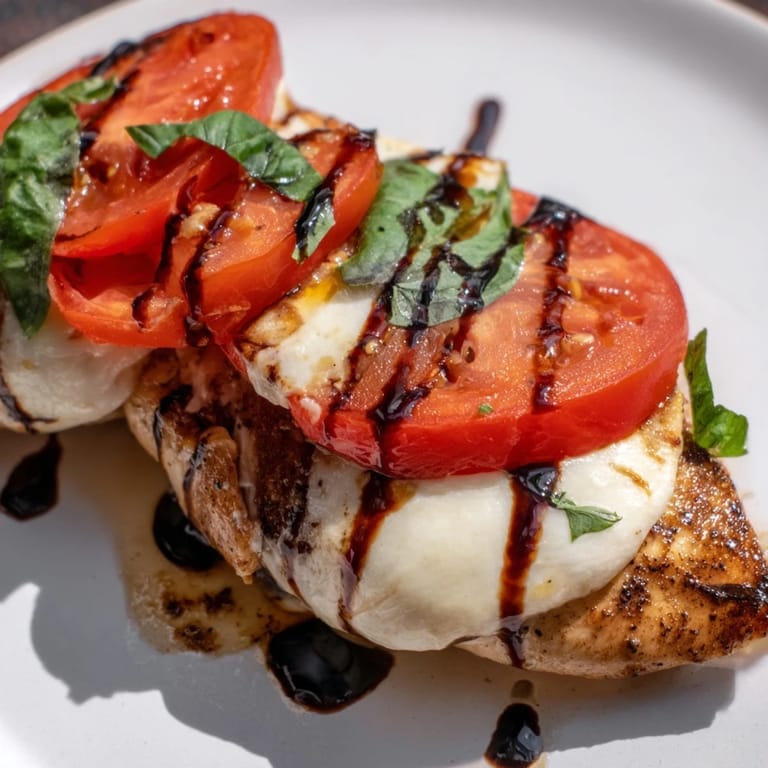
Save The smell of balsamic vinegar bubbling in the pan always makes me stop what I'm doing. I threw this dish together on a Wednesday after work when I had nothing planned and a fridge full of odds and ends. The chicken sizzled, the mozzarella puddled over the tomatoes, and suddenly dinner looked like something I'd order at a bistro. My husband walked in, sniffed the air, and asked if we were celebrating something.
I made this for my sister when she visited last spring, and she kept asking if I'd taken a cooking class. I laughed because the truth is I barely followed a recipe. I just piled on what I loved about Caprese salad and let the skillet do the work. She took a photo before her first bite, and I knew I'd be making it again.
Ingredients
- Boneless, skinless chicken breasts (4): The star of the dish, these cook quickly and soak up all the flavors from the pan if you don't overcook them.
- Kosher salt (1 teaspoon): I always season generously before searing so the chicken has flavor all the way through, not just on the surface.
- Freshly ground black pepper (½ teaspoon): Adds a gentle bite that balances the sweetness of the glaze.
- Olive oil (1 tablespoon): Just enough to get a golden crust without making the pan greasy.
- Ripe tomatoes (2 large, sliced): Use the ripest ones you can find because their juices mingle with the melted cheese and create a sauce on their own.
- Fresh mozzarella (225 g / 8 oz, sliced): The creamy, milky kind that melts into soft clouds, not the rubbery pre-shredded stuff.
- Fresh basil leaves (½ cup, torn): Torn by hand releases more aroma and looks prettier than neat cuts.
- Balsamic vinegar (⅓ cup): Simmers down into a glossy, tangy-sweet glaze that ties the whole dish together.
- Honey (1 tablespoon): Smooths out the acidity of the vinegar and helps it thicken faster.
Tired of Takeout? 🥡
Get 10 meals you can make faster than delivery arrives. Seriously.
One email. No spam. Unsubscribe anytime.
Instructions
- Season the chicken:
- Pat the chicken breasts dry with a paper towel, then sprinkle both sides evenly with salt and pepper. Dry chicken sears better and develops that golden crust you want.
- Sear the chicken:
- Heat the olive oil in a large skillet over medium-high heat until it shimmers, then lay the chicken breasts in without crowding them. Let them cook undisturbed for 5 to 6 minutes per side until golden brown and the internal temperature hits 74°C (165°F), then transfer them to a plate.
- Layer the toppings:
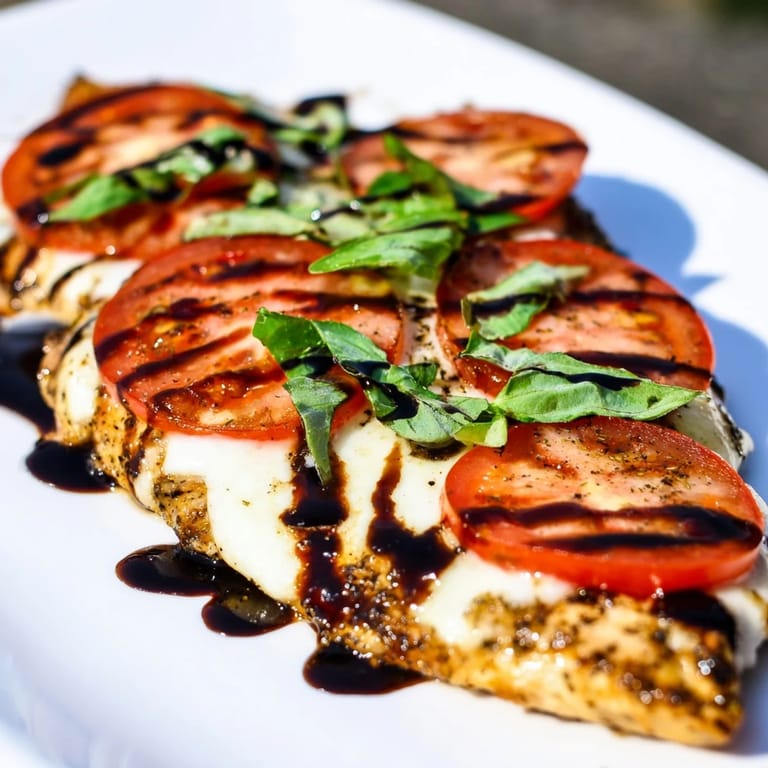
- Lower the heat to medium and return the chicken to the skillet. Arrange tomato slices over each breast, then layer mozzarella slices on top.
- Melt the cheese:
- Cover the skillet with a lid and let everything cook for 2 to 3 minutes. The cheese will soften and start to drape over the tomatoes like a blanket.
- Make the balsamic glaze:
- While the cheese melts, pour the balsamic vinegar and honey into a small saucepan over medium heat. Stir occasionally and let it simmer for 5 to 7 minutes until it coats the back of a spoon and smells sweet and tangy.
- Finish and serve:
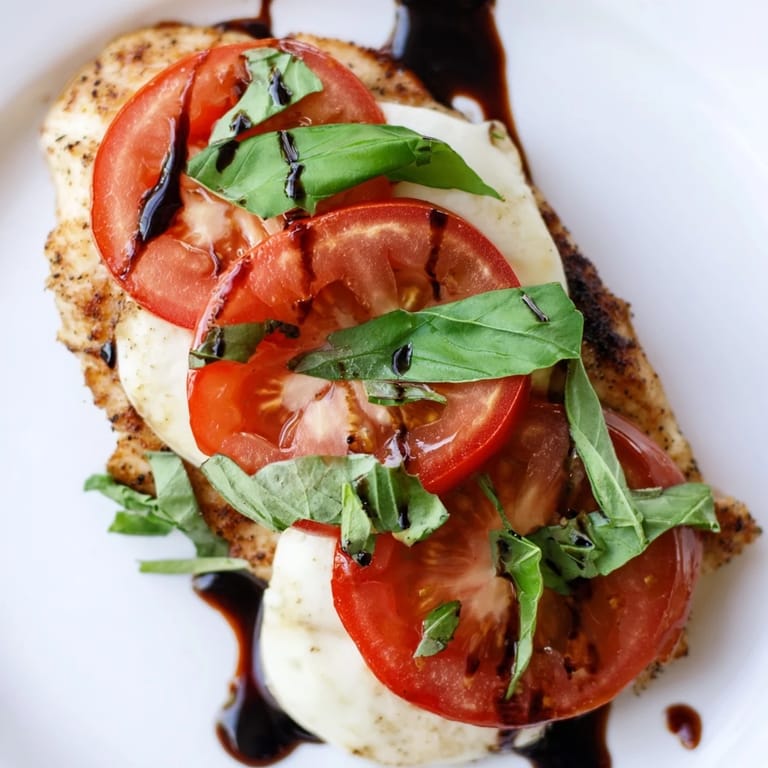
- Scatter torn basil leaves over the chicken and drizzle the warm balsamic glaze across everything. Serve straight from the skillet while the cheese is still gooey.
 Save
Save The first time I served this, my kids actually asked for seconds on the tomatoes. I realized then that sometimes the simplest combinations are the ones that feel most special. It's become the dish I make when I want to impress without breaking a sweat, and every time, someone asks for the recipe.
Choosing Your Tomatoes
I've tried this with every kind of tomato I could find, and the ripest ones always win. Heirlooms are gorgeous if you can get them, but even a good beefsteak tomato will give you juicy slices that soften just enough under the cheese. If your tomatoes are pale or firm, let them sit on the counter for a day or two until they smell sweet.
Getting the Glaze Right
The balsamic glaze can go from perfect to burnt surprisingly fast, so keep your eye on it and stir every minute or so. It should look syrupy and coat the spoon when you lift it, not thick like molasses. If it gets too thick, whisk in a teaspoon of water to loosen it back up.
Serving Suggestions
This chicken pairs beautifully with anything that can soak up the extra glaze and tomato juices. I love serving it over a pile of arugula dressed lightly with lemon and olive oil, or next to crusty bread for dragging through the pan. For a lighter option, zucchini noodles or cauliflower rice keep it low-carb and let the flavors shine.
- Try it over creamy polenta for a heartier, comforting meal.
- A simple green salad with balsamic vinaigrette echoes the flavors without competing.
- Leftovers reheat well and make an excellent sandwich filling the next day.
 Save
Save This dish has a way of turning a regular weeknight into something that feels a little more intentional. I hope it brings the same easy joy to your table that it's brought to mine.
Cooking Guide
- → How do I know when the chicken is fully cooked?
The internal temperature should reach 74°C (165°F) when measured with a meat thermometer at the thickest part. The meat will no longer be pink inside and juices will run clear.
- → Can I prepare this dish ahead of time?
Yes, you can marinate the chicken in Italian seasoning and olive oil up to 4 hours in advance. Slice the tomatoes and mozzarella just before cooking to maintain freshness.
- → What's the best way to thicken the balsamic glaze?
Simmer the balsamic vinegar and honey together over medium heat for 5–7 minutes, stirring occasionally. It will continue to thicken as it cools, so don't overreduce it on the stove.
- → Can I use fresh basil from my garden?
Absolutely. Fresh basil from your garden works wonderfully. Tear the leaves by hand just before serving to preserve their oils and flavor, and avoid bruising them with a knife.
- → What sides pair well with this dish?
Crusty bread is ideal for soaking up the pan juices, or serve alongside a crisp green salad. For low-carb options, zucchini noodles or cauliflower rice complement the flavors beautifully.
- → Is this suitable for a gluten-free diet?
Yes, this dish is naturally gluten-free. However, verify that your mozzarella hasn't had cross-contamination during processing if you have a severe gluten sensitivity.